
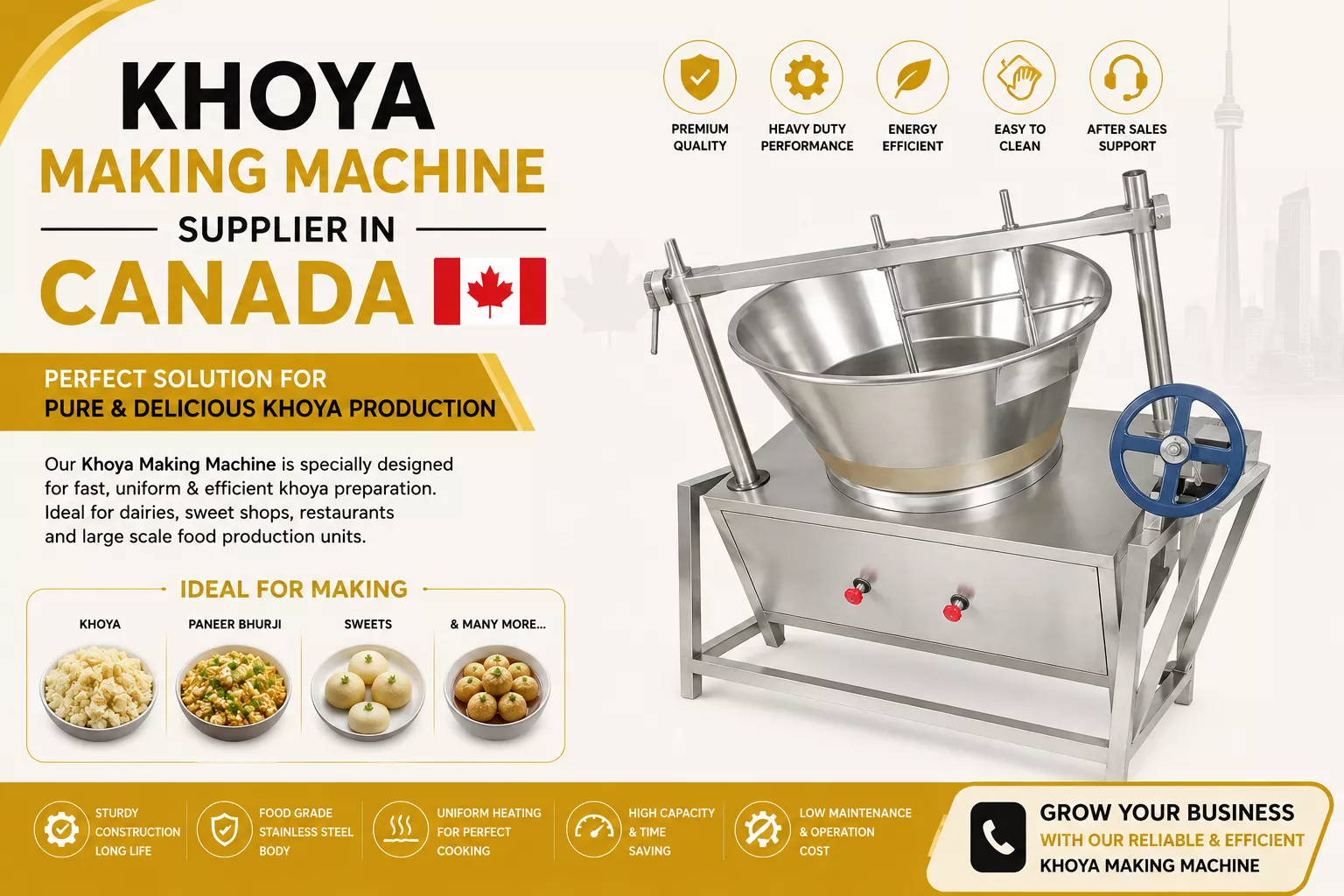
Khoya Making Machine Supplier In Canada
Khoya, also known as mawa, is a concentrated milk product used in many traditional Indian sweets. Preparing it manually requires continuous heating, stirring, and evaporation of milk. For a commercial sweet business, a khoya making machine Supplier In Canada can help provide suitable equipment to handle this process more efficiently, reducing the time and labour involved.
A commercial Khoya Making Machine is designed to make milk reduction more organized by combining controlled heating with mechanical mixing.
Sri Brothers Enterprises is an India-based manufacturer, supplier, and exporter of food processing and dairy machinery. We manufacture machinery in India and supply and export equipment to international buyers, including customers looking for machinery for Canada.
If you are searching for a Khoya Making Machine Supplier In Canada, our team can discuss your required milk capacity, khoya production target, heating system, automation level, and export requirements.
200 Litre Khoya Making Machine
150 Litre Tilting Khoya Making Machine
120 LTR Khoya Making Machine
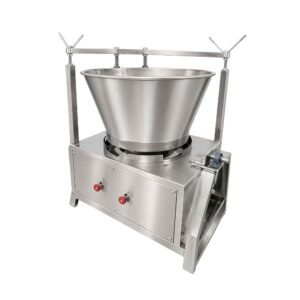
Khoya Making Machine 60 Litre
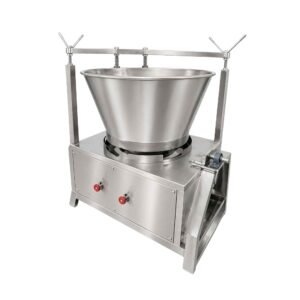
Tilting Khoya Making Machine
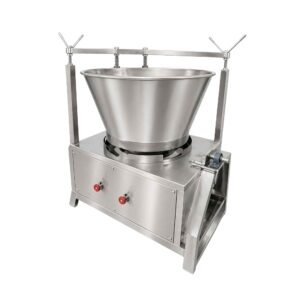
Mawa Making Machine
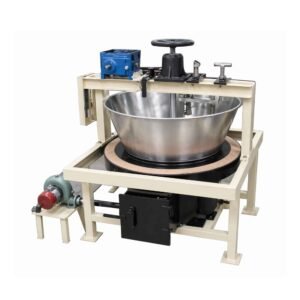
Wood Fired Khoya Machine
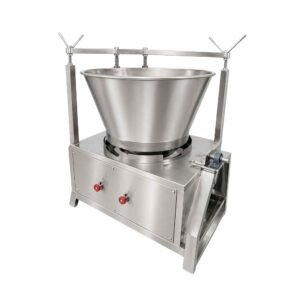
Khoya Making Machine
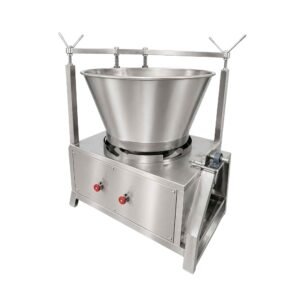
Small Khoya Making Machine
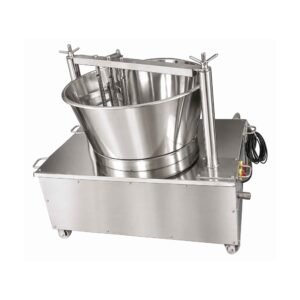
Gas Operated Khoya Making Machine
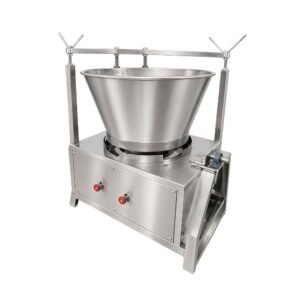
400 Litre Tilting Khoya Making Machine
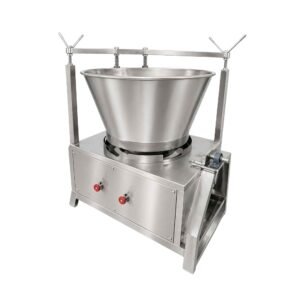
500 Ltr Khoya Making Machine
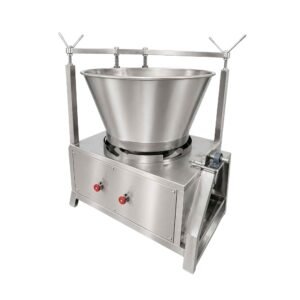
Electric Khoya Making Machine
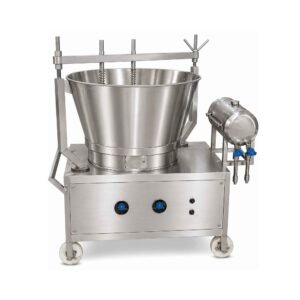
Diesel Operated Khoya Making Machine
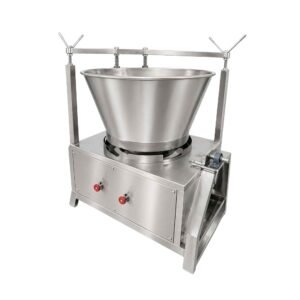
300 LPH Khoya Making Machine
What Is a Khoya Making Machine?
A khoya-making machine is specialized dairy-processing equipment used to convert milk into thick khoya or mawa.
The basic process is:
Fresh Milk → Heating → Continuous Mixing → Water Evaporation → Thickening → Khoya
Instead of an operator continuously stirring milk in a traditional vessel, the machine uses a mechanical agitator or scraper during the heating process.
Commercial mawa machines are available in different capacities and configurations. Current commercial models, for example, are available in 55 L, 100 L, and 200 L versions, including tilting models for easier discharge.
Contact Sri Brothers Enterprises today to discuss your Khoya Making Machine requirement and request a quotation.
Why Use a Commercial Khoya Machine?
Traditional preparation may be suitable for small quantities, but commercial production is different.
When your business needs larger quantities of khoya every day, manual preparation can involve:
Long cooking time
Continuous stirring
More operator involvement
Difficult batch management
Inconsistent manual handling
A suitable Commercial Khoya Making Machine from a reliable khoya making machine Supplier In Canada can help reduce repetitive work and create a more organized production process.
Potential advantages include:
Reduced manual stirring
Larger batch processing
More consistent mixing
Better production planning
Easier product discharge
Reduced repetitive labour
Suitable for regular commercial production
The actual performance depends on the machine design, recipe, batch size, and operating conditions.
How Does a Khoya Making Machine Work?
The working process is simple.
- Milk Filling
Fresh milk is added to the machine according to the required batch size.
- Heating
The milk is heated using the selected heating system.
- Continuous Mixing
A mechanical agitator or scraper moves through the milk during heating. This helps reduce sticking and supports more uniform cooking.
- Water Reduction
As the milk is heated, its water content gradually evaporates.
- Thickening
The milk becomes progressively thicker until it reaches the required khoya consistency.
- Product Discharge
The finished khoya is removed from the machine. A tilting configuration can make this stage easier. Commercial tilting mawa machines are specifically designed to reduce manual effort during discharge.
Khoya and Mawa — Are They the Same?
Yes. Khoya, khoa, and mawa are commonly used names for the same concentrated milk product.
It is widely used as an ingredient in traditional sweets such as:
- Peda
- Barfi
- Gulab Jamun
- Kalakand
- Gujiya
- Milk Cake
- Gajar Halwa
- Other milk-based sweets
This makes a Mawa Making Machine useful for sweet manufacturers that produce several different products.
What Businesses Can Use a Khoya Machine?
A commercial Khoya Processing Machine can be useful for different types of businesses.
Sweet Shops
Busy sweet shops can produce their own khoya instead of preparing it manually in small batches.
Dairy Businesses
Dairy processors can add khoya production to their existing milk-processing activities.
Sweet Manufacturing Units
Commercial sweet manufacturers can use larger equipment for regular production.
Restaurants and Hotels
Restaurants and hotels serving Indian desserts may require consistent quantities of khoya.
Catering Businesses
Large catering operations can benefit from equipment capable of handling bigger batches.
Packaged Food Manufacturers
Businesses producing packaged Indian sweets can use khoya as a raw material for different products.
Choosing the Right Machine Capacity
Capacity should be selected according to your actual milk-processing requirement.
Before buying, calculate:
Daily milk availability
Milk per batch
Number of batches per day
Required khoya output
Working hours
Expected future growth
Commercial khoya machines are available in different sizes. For example, current market offerings include machines around 55 L, 100 L, and 200 L, while other commercial systems are available in larger batch capacities.
The largest machine is not automatically the best option.
A machine should be large enough for your production target but practical for your current business.
Automatic or Semi-Automatic Khoya Machine?
The required automation level depends on your production volume and budget.
Semi-Automatic Khoya Machine
A semi-automatic system can reduce manual mixing and allow the operator to control certain stages of the process.
It can be suitable for small and medium-sized commercial production.
Automatic Khoya Making Machine
An automatic system can reduce operator involvement further and may be suitable for larger production requirements.
For example, commercial automatic models are available with features such as tilting pans, steam heating, and SS304 product-contact construction.
However, buyers should always ask what the supplier means by automatic.
Ask:
- Is mixing automatic?
- Is temperature control automatic?
- Is discharge automatic?
- What operations still require an operator?
- What is the actual batch capacity?
This makes it easier to compare different machines correctly
Heating Options for Khoya Production
The heating system is an important part of the machine.
Depending on the model, different heating methods can be considered.
Gas Heating
Gas or LPG can be suitable where the required fuel supply is available.
Electric Heating
Electric heating can be considered where an appropriate electrical connection is available.
Steam Heating
Steam-operated systems can be useful for larger dairy and food-processing projects where a suitable steam supply is already available.
Commercial khoya machines in the market are offered with gas, diesel, and steam configurations depending on the machine design.
Before ordering for Canada, discuss the available utilities and machine requirements with the manufacturer.
Stainless Steel Khoya Making Machine
Construction material is especially important for dairy-processing equipment.
The milk-contact components should be made from suitable food-grade material.
Commercial machines are commonly available with stainless-steel construction, and some models specify SS304 for the product-contact pan.
When requesting a quotation, ask specifically about:
- Pan material
- Agitator material
- Food-contact surfaces
- Frame construction
- Welding quality
- Cleaning access
A practical design should also make routine cleaning easier.
What Should You Check Before Buying?
When comparing a Khoya Making Machine Supplier In Canada, don’t choose only on the basis of price.
Capacity
Confirm the milk capacity per batch.
Production Output
Ask how much khoya can realistically be produced from your required quantity of milk.
Mixing System
Understand how the agitator or scraper works.
Heating
Confirm the heating method and operating requirements.
Construction
Ask about the stainless-steel grade used in milk-contact areas.
Tilting System
If easy discharge is important, ask whether a tilting version is available.
Motor and Gearbox
Check motor power and the mixing drive system.
Cleaning
Make sure the machine is practical to clean after production.
Maintenance
Discuss spare parts and routine servicing before placing your order.
Khoya Production for Businesses in Canada
Canadian businesses serving Indian and South Asian customers may require traditional ingredients for sweets, desserts, and specialty food products.
A commercial khoya production setup can be useful for:
- Indian sweet shops
- South Asian food businesses
- Restaurants
- Hotels
- Catering companies
- Specialty food manufacturers
- Grocery businesses
- Wholesale food suppliers
The required capacity depends on your customer base and production plan.
A small sweet shop may need a compact system, while a commercial manufacturer supplying several retailers may require a larger Industrial Khoya Making Machine.
Why Choose Sri Brothers Enterprises?
Sri Brothers Enterprises is an India-based manufacturer, supplier, and exporter of food processing machinery.
We manufacture machinery in India and supply equipment to international customers.
For Canadian buyers looking for a khoya making machine Supplier In Canada, we can discuss the machine according to your actual application instead of simply offering a standard machine.
You can provide:
Required milk capacity
Desired khoya output
Batch size
Heating preference
Automation level
Machine dimensions
Available factory space
Electrical requirements
Delivery location in Canada
Our team can then discuss the suitable machine configuration and export requirements.
Khoya Making Machine Exporter from India to Canada
If your requirement is specifically for a Khoya Making Machine Exporter In Canada, Sri Brothers Enterprises can discuss the machinery export process from India.
When importing machinery, buyers should consider:
Machine specification — What exactly is included?
Capacity — What is the expected production?
Heating — Which heating system is supplied?
Power — What electrical supply is required?
Dimensions — Will the machine fit the planned production area?
Packaging — How will the equipment be protected for international transportation?
Shipping — What are the delivery arrangements?
Installation — What preparation is required at the destination?
Spare parts — How will replacement components be obtained?
Clear information before ordering can make the import process easier to plan.
Buying Khoya Machinery from India for Canada
When purchasing Khoya Making Machine from India, Canadian buyers should provide clear information about their production requirements.
Share:
- Type of business
- Daily milk requirement
- Batch capacity
- Required khoya output
- Heating preference
- Automation level
- Available space
- Electrical supply
- Installation location
- Delivery location in Canada
This allows the manufacturer and exporter to understand the project before preparing a quotation.
What Other Machinery May You Need?
If you are establishing a complete sweet or dairy-processing unit, the khoya machine may be only one part of your project.
Depending on your products, you may also require:
- Milk storage tank
- Milk pasteurizer
- Cream separator
- Chhena-making equipment
- Khoya making machine
- Peda making machine
- Rasgulla making machine
- Sweet cooking equipment
- Mixing equipment
- Packaging machine
- Display counter
Planning the complete production flow can help ensure that different machines have compatible capacities.
Is a Khoya Making Machine a Good Investment?
A commercial machine can be useful when your production volume justifies the investment.
You may want to consider one if:
- Manual khoya production takes too much time.
- Customer orders are increasing.
- You need larger batches.
- Continuous stirring requires too much labour.
- You want more consistent production.
- You plan to supply other sweet businesses.
- You are starting a commercial sweet-production unit.
Before purchasing, calculate your raw material, labour, utilities, packaging, transportation, and other operating costs.
Choose the machine according to realistic demand rather than simply selecting the largest available capacity.
Start Your Commercial Khoya Production
Producing khoya manually can become difficult when your business needs larger quantities every day. A suitable Mawa Making Machine can help reduce repetitive work and create a more organized production process.
If you are searching for a Khoya Making Machine Supplier In Canada, Sri Brothers Enterprises can discuss your requirement as an Indian manufacturer, supplier, and exporter of food-processing machinery.
Whether you are starting a new sweet business, expanding a dairy unit, or supplying khoya to other food businesses, tell us your required milk capacity, desired khoya output, heating preference, and delivery location in Canada.
Frequently Asked Questions
A Khoya Making Machine is dairy-processing equipment used to heat and continuously mix milk until it becomes thick and concentrated khoya or mawa.
What is the difference between khoya and mawa?
Consider your daily milk supply, batch size, required output, working hours, available space, and future production plans.
Yes. Different machine configurations are available with gas, diesel, electric, or steam-based heating depending on the model.
Yes. Sri Brothers Enterprises manufactures food and dairy processing machinery in India and supplies and exports machinery to international customers.
Yes. Automatic and semi-automatic configurations are available in the commercial market. The exact automation level should be confirmed according to your production requirements.
Yes. Share your required milk capacity, khoya output, heating preference, automation level, and delivery location in Canada with Sri Brothers Enterprises.


Add a review
Your email address will not be published. Required fields are marked *