

Description
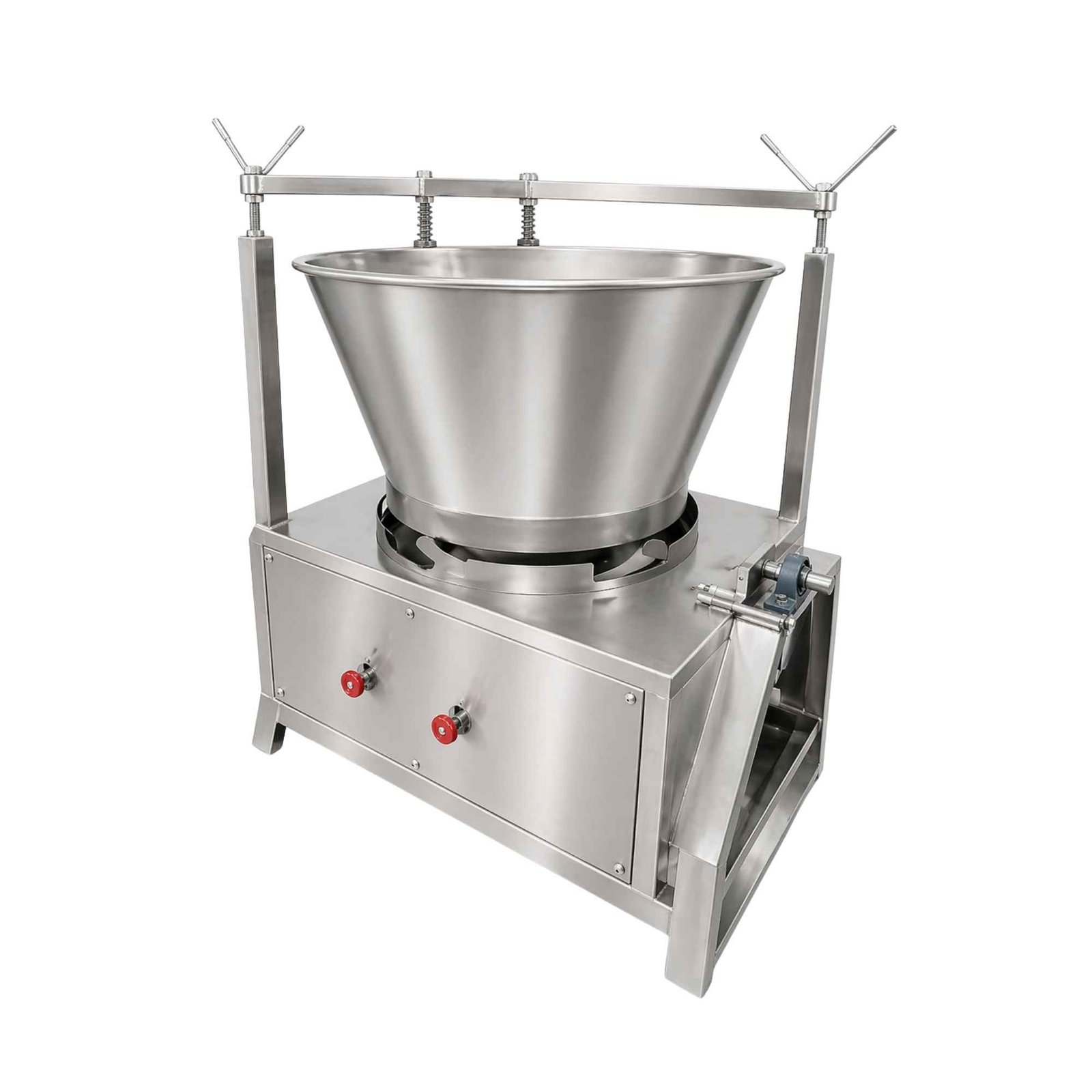
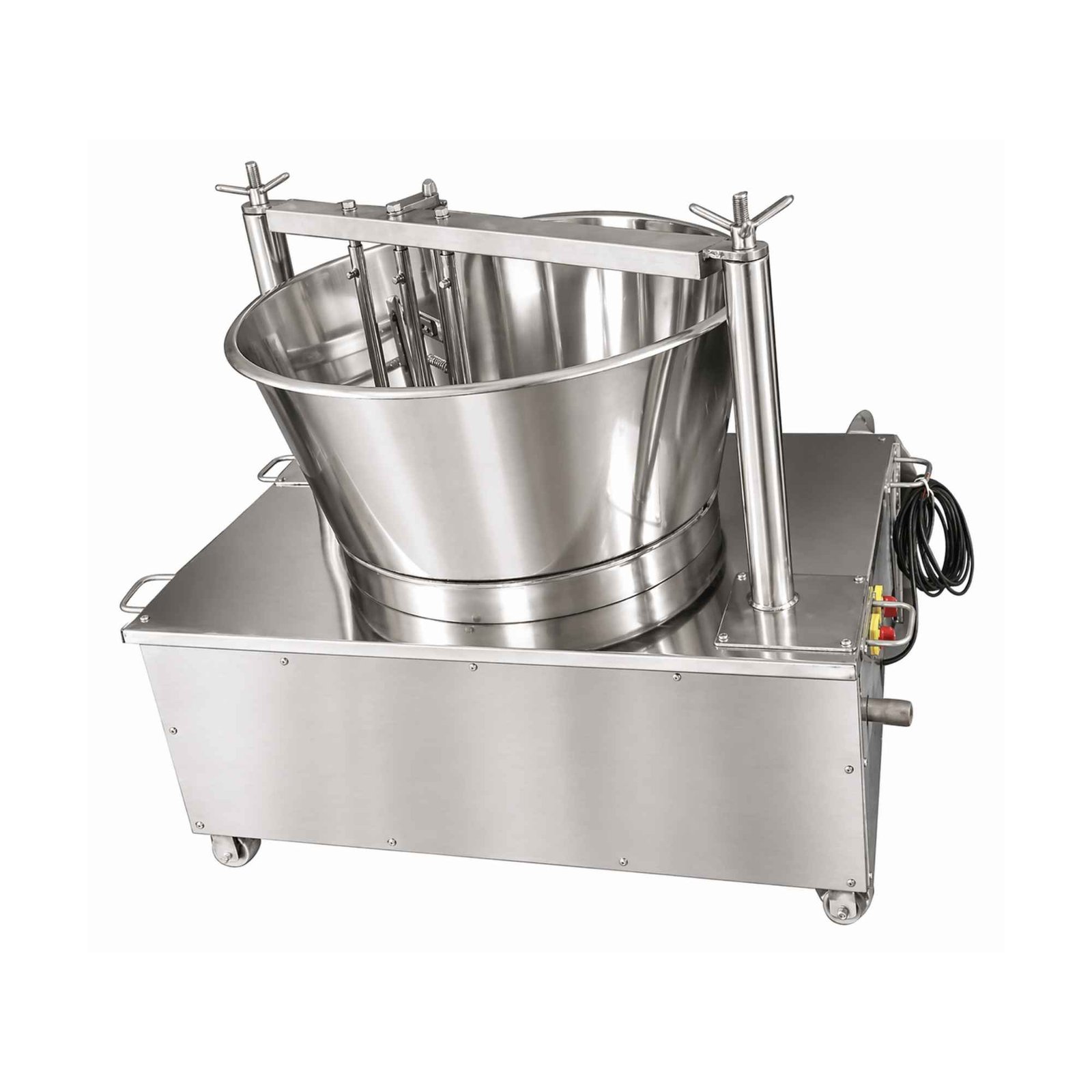
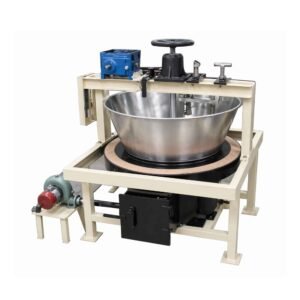
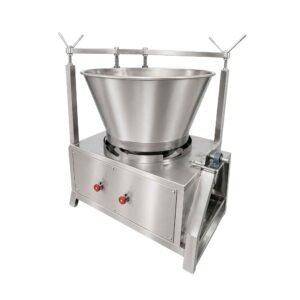
A Khoya Making Machine is designed for commercial dairy and sweet manufacturing units that need an efficient solution for preparing khoya (khoa) from milk. It supports the milk concentration process required for producing khoya used in a wide range of Indian sweets and dairy products.
For mithai manufacturers, dairy plants, sweet shops and commercial food-processing businesses, using dedicated khoya-making equipment can help simplify bulk production and reduce dependency on traditional manual preparation methods.
Commercial Khoya Production Made More Efficient
Traditional khoya preparation involves continuously heating milk until a substantial amount of moisture evaporates and the milk reaches the required concentrated consistency.
When this process is carried out in larger quantities, it requires regular attention and considerable processing time.
A commercial Khoya Making Machine is designed to make this production stage more manageable for businesses producing khoya regularly.
Depending on the machine configuration, it can become an important part of a commercial dairy or mithai manufacturing setup.
For mithai manufacturers, dairy plants, sweet shops and commercial food-processing businesses, using dedicated khoya-making equipment can help simplify bulk production and reduce dependency on traditional manual preparation methods.
From Milk to Khoya: Understanding the Process
The primary purpose of a khoya machine is to support the concentration of milk into khoya.
A typical production flow is:
Milk Feeding → Controlled Heating → Moisture Reduction → Concentration → Khoya Formation → Product Collection
The exact operating method can differ according to the selected machine model and heating configuration.
The final khoya can then be used as a base ingredient for various Indian sweets.
Why Use a Khoya Making Machine?
For businesses producing sweets commercially, making khoya manually in small batches can restrict production capacity.
Using a Khoya Making Machine for commercial production can provide several practical advantages:
- Suitable for bulk khoya preparation
- Helps organize the milk-concentration process
- Reduces dependency on traditional small-batch preparation
- Supports higher commercial production requirements
- Useful for regular sweet-manufacturing operations
- Can be incorporated into dairy-processing setups
- Different configurations can be selected according to production needs
Khoya as a Base for Indian Sweet Manufacturing
Khoya is widely used as a key ingredient in traditional Indian mithai.
Commercially prepared khoya may be used for products such as:
- Gulab jamun
- Peda
- Barfi
- Kalakand
- Gujiya fillings
- Khoya-based laddoo
- Milk sweets
- Other traditional mithai products
Because khoya is used across multiple product categories, a dedicated khoa making machine can be particularly valuable for manufacturers producing several varieties of sweets.
Khoya Making Machine for Mithai Shops & Sweet Factories
Production requirements vary significantly between a local mithai shop and a large sweet-processing facility.
For this reason, the correct machine should be selected according to actual production demand.
A Khoya Making Machine can be suitable for:
Sweet Shops: Businesses producing fresh khoya-based sweets regularly.
Mithai Factories: Manufacturers requiring larger quantities of khoya for multiple production lines.
Dairy Processing Units: Facilities processing milk into value-added dairy products.
Catering Businesses: Central kitchens preparing sweets in larger quantities.
Food Manufacturers: Commercial businesses using khoya as an ingredient in processed sweet products.
What to Consider Before Buying a Khoya Making Machine
Choosing the right machine should begin with production requirements rather than price alone.
Required Khoya Output
Determine how much khoya your business needs to produce per batch, hour or production shift.
Milk Processing Requirement
The required milk input should be considered while selecting an appropriate machine size and processing capacity.
Heating System
Different machine configurations may use different heating arrangements. The selection should match the utilities available at the production facility.
Batch or Production Method
Consider whether your business requires batch processing or another production configuration offered by the manufacturer.
Available Factory Space
Machine dimensions and installation requirements should fit comfortably into the existing production area.
Cleaning & Maintenance
Equipment used for milk processing should be selected with regular cleaning and maintenance requirements in mind.
Automatic Khoya Making Machine for Growing Production
Businesses moving from small-scale preparation toward larger commercial output may consider an Automatic Khoya Making Machine or a more automated configuration.
The appropriate level of automation depends on production volume, available manpower and the manufacturing process.
Rather than selecting the largest machine available, buyers should match machine capacity with their actual milk-processing and khoya-output requirements.
Role of Khoya Machine in a Sweet Production Setup
A khoya machine can function as an upstream processing machine in a larger mithai manufacturing system.
For example:
Milk Processing → Khoya Preparation → Sweet Mixture Preparation → Forming / Cooking / Frying → Finishing & Packaging
This gives sweet manufacturers the option to produce their khoya internally before using it in downstream sweet-making processes.
For factories manufacturing gulab jamun, peda, barfi and similar products, this can help create a more integrated production setup.
Commercial & Industrial Khoya Making Machine
An Industrial Khoya Making Machine is relevant for manufacturers where khoya consumption is significantly higher than what traditional manual processing can conveniently support.
Potential users include:
- Dairy processing plants
- Large mithai manufacturers
- Sweet production factories
- Commercial kitchens
- Food-processing industries
- Bulk khoya suppliers
- Catering production facilities
- Indian sweet manufacturers
Machine selection should be based on required throughput and the facility’s existing infrastructure.
Khoya Making Machine Price
The Khoya Making Machine price can vary according to the selected machine specification and production requirements.
Important pricing factors may include:
- Processing capacity
- Machine size
- Heating configuration
- Automation level
- Construction specification
- Motor and electrical requirements
- Control system
- Customization requirements
For this reason, buyers should share their required production capacity and available utility setup when requesting a quotation.
Customized Khoya Production Equipment
Commercial production requirements are not identical for every manufacturer.
Depending on available machine options, the equipment can be selected or customized according to production capacity, plant layout, heating requirements, automation level and operating conditions.
A customized configuration can be especially useful for businesses integrating khoya production with an existing dairy or sweet manufacturing line.
FAQs
A Khoya Making Machine is commercial food-processing equipment designed to assist in concentrating milk and preparing khoya/khoa for sweet and dairy production.
Khoya is an important dairy ingredient used in products such as gulab jamun, peda, barfi, kalakand and many other Indian sweets.
Yes. Khoya and khoa are commonly used names for the concentrated milk product used extensively in Indian sweet manufacturing.
It can be used by sweet shops, mithai manufacturers, dairy processors, catering businesses and industrial food-production facilities.
Khoya-processing machines can be supplied in different levels of automation depending on manufacturer configuration and production requirements.
Selection should consider required production capacity, milk input, heating arrangement, utility availability, factory space and desired level of automation.
Price can depend on production capacity, machine configuration, heating system, automation, construction and customization requirements.
Yes. Khoya production can be integrated upstream of other sweet-making operations where khoya is required as a primary ingredient.

There are no reviews yet.