

Description
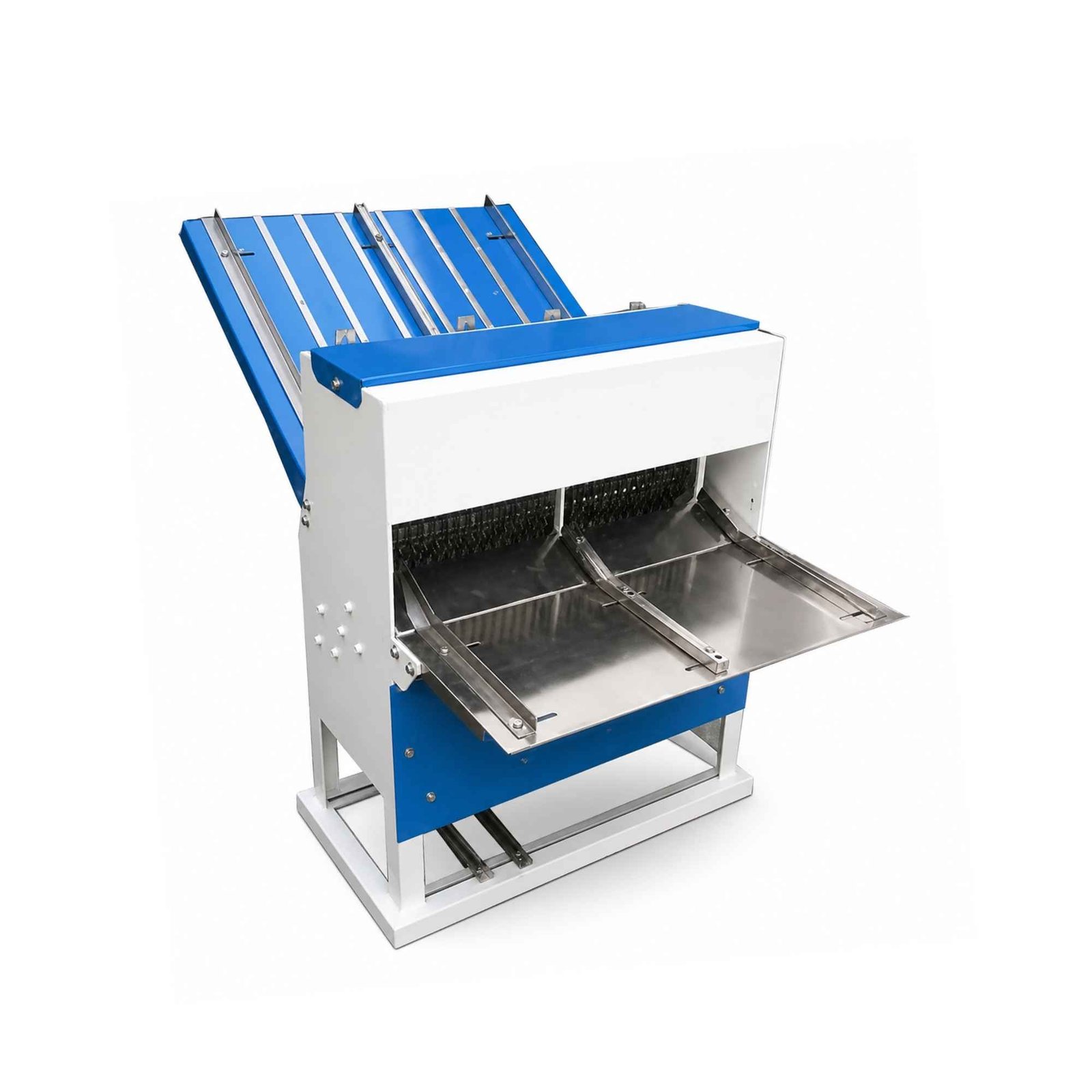
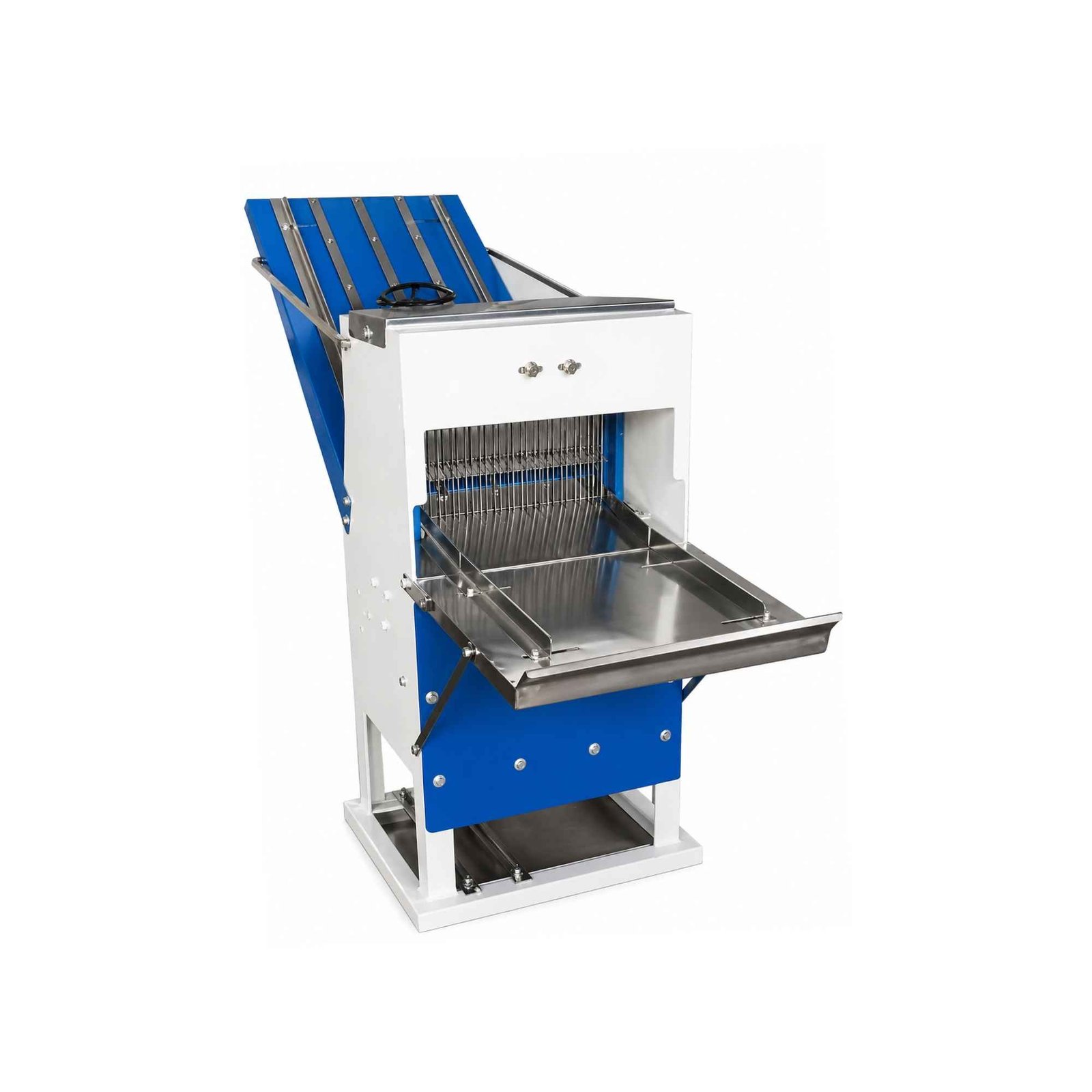
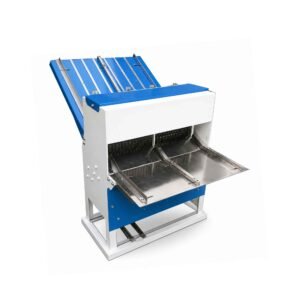
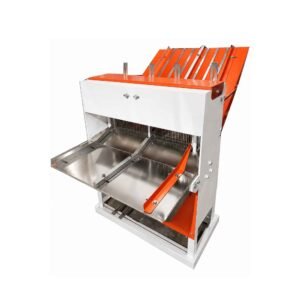
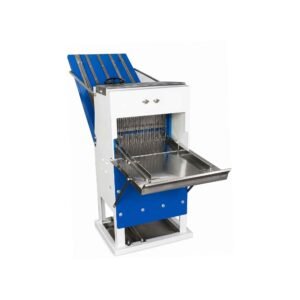
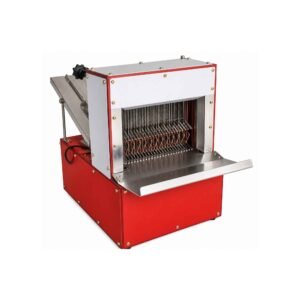
Consistent bread slices are important for bakeries that supply retailers, restaurants, hotels, and individual customers. A Bread Slicer Machine helps businesses standardize the cutting stage after baking, making it easier to prepare loaves for sale, packaging, and further food preparation. Instead of depending entirely on manual knife cutting, operators can use a powered slicing mechanism designed to produce multiple slices in a controlled process.
This commercial bakery machine is suitable for bread shops, production bakeries, bread factories, supermarket bakeries, and food service operations. Its multiple-blade arrangement is designed to cut baked loaves into slices of a relatively consistent thickness, helping businesses maintain a uniform appearance across their products.
The machine is particularly relevant for businesses that slice bread regularly and want a dedicated bread cutting solution within their existing production area.
How Does a Bread Slicer Work?
The bread slicing process begins when the operator places a suitable baked loaf into the machine’s feeding area. The machine uses a powered mechanism to move or operate the loaf against a series of cutting blades, depending on the model’s design. These blades divide the loaf into multiple slices during the cutting cycle.
The supplied configuration uses manual loaf feeding with powered slicing. This arrangement gives the operator control over loading each loaf while the machine performs the cutting operation. Correct positioning is important because an improperly placed loaf may affect the quality of the finished slices.
For best results, the bread should be fully baked and cooled before slicing. Bread that is excessively soft, hot, or unsuitable for the blade arrangement may produce uneven cuts or additional crumbs. The ideal operating procedure depends on the bread variety and the manufacturer’s recommendations.
Technical Design and Performance Details
A commercial bread slicing machine must match the physical characteristics of the bread and the working conditions of the bakery. The described machine supports a typical slice thickness of approximately 10–14 mm, although the available thickness depends on the model. Businesses producing sandwich bread or standard retail loaves should confirm the required slice dimensions before selecting a configuration.
Blade construction is another important consideration. Depending on the supplied version, the cutting blades may be made from stainless steel or hardened steel. Buyers should verify the exact blade material, maintenance requirements, and suitability for their intended food processing application.
The indicative motor power is approximately 0.25–0.75 kW. Some models are designed to operate on a 220–240 V single-phase power supply at 50 Hz. These values are model-dependent and should be checked against the manufacturer’s final technical documentation before installation.
For the machine body, available construction may include mild steel with a coated finish or stainless steel options. The choice may depend on the working environment, cleaning routine, durability needs, and budget. Installation may be tabletop or floor-standing, depending on the machine’s dimensions and design.
These technical details help buyers compare bread slicer models according to their workspace, power availability, and daily slicing requirements.
Operational Advantages for Bakeries
More consistent slice dimensions: A multiple-blade bread cutting mechanism helps reduce variations associated with manual cutting. Consistent slices can improve the presentation of packaged bread and support standardized portions.
A more organized production process: Placing bread slicing after baking and cooling creates a defined stage in the bakery workflow. This can help coordinate bread preparation with packaging, display, and dispatch activities.
Reduced repetitive hand cutting: Powered slicing can lessen the physical effort required to manually cut repeated batches of bread.The actual time saved depends on the machine model, loaf size, and number of loaves processed.
Suitable configuration choices: Tabletop and floor-standing designs may accommodate different bakery layouts. Blade and body material options also allow buyers to evaluate configurations according to their operating requirements.
Support for regular commercial orders: Businesses supplying sliced bread to shops, supermarkets, and food service customers can benefit from a repeatable cutting process, provided the machine matches the bread type and required output.
Reduced repetitive hand cutting: Powered slicing can reduce the physical effort needed to cut repeated batches of bread manually.These results can vary with loaf dimensions, bread texture, operator handling, and equipment configuration.
Where Can a Bread Slicing Machine Be Used?
Bread slicing equipment serves businesses where baked loaves need to be divided into manageable, consistent portions.
- Retail bakeries: Preparing loaves for direct customer sale.
- Bread production units: Slicing bread before suitable packaging and dispatch.
- Supermarket bakeries: Preparing sliced loaves for convenient retail display.
- Hotels and restaurants: Supplying bread for breakfast service, sandwiches, and other menu items.
- Commercial sandwich kitchens: Preparing consistent bread portions for routine food preparation.
- Food distribution businesses: Handling suitable bread products for onward supply to retailers and food service customers.
Before purchasing, confirm that the selected bread slicer can accommodate the loaf length, width, height, crust characteristics, and slice thickness required for your products.
Cleaning, Blade Care and Operator Safety
Bread crumbs can accumulate around the cutting area during regular operation, so cleaning should be included in the bakery’s routine maintenance schedule. Before opening, cleaning, or servicing the machine, switch it off, disconnect the electrical supply, and wait until every moving part has stopped.
Remove loose crumbs using a suitable method recommended by the manufacturer. Keep the motor and electrical components dry, and use cleaning materials compatible with the machine’s construction. Do not reach into the blade assembly while the equipment is connected to power.
Inspect the blades for visible damage, wear, or alignment problems. Any adjustment or replacement should follow the manufacturer’s instructions. Operators should use the supplied guards and safety features, avoid loose clothing near moving parts, and receive proper training before operating the equipment.
A stable installation surface and sufficient clearance around the machine help support safe loading, unloading, and routine cleaning.
What to Check Before Buying a Bread Slicer Machine
Choosing the right commercial bread slicer starts with your product requirements rather than motor power alone. Measure the bread loaves you intend to process and confirm whether the selected machine supports their dimensions. Check whether its slicing arrangement provides the required 10–14 mm thickness or another setting suitable for your products.
Next, verify the electrical supply, motor rating, blade material, body construction, installation type, and cleaning procedure. Ask the supplier for the rated slicing capacity, operating instructions, warranty details, spare blade availability, and service support. If your bakery handles several bread varieties, request confirmation of compatibility before placing an order.
Evaluating these factors helps businesses select bakery cutting equipment that fits their production workflow and avoids relying on assumptions about machine performance.
FAQs
It cuts baked bread loaves into multiple slices using a blade assembly, helping commercial bakeries prepare bread for retail sale, packaging, and food service.
The typical range is approximately 10–14 mm, depending on the model and configuration. Confirm the available slicing thickness before ordering.
Certain configurations use 220–240 V, single-phase power at 50 Hz, with an indicative motor rating of 0.25–0.75 kW. Confirm the exact electrical specifications for your model.
It may be suitable for small bakeries as well as larger production facilities, provided the machine's dimensions, slicing capacity, and installation requirements match the business's needs.
Use suitable, properly cooled bread loaves, position each loaf correctly, inspect the blades regularly, and follow the manufacturer's cleaning and maintenance instructions.

There are no reviews yet.