
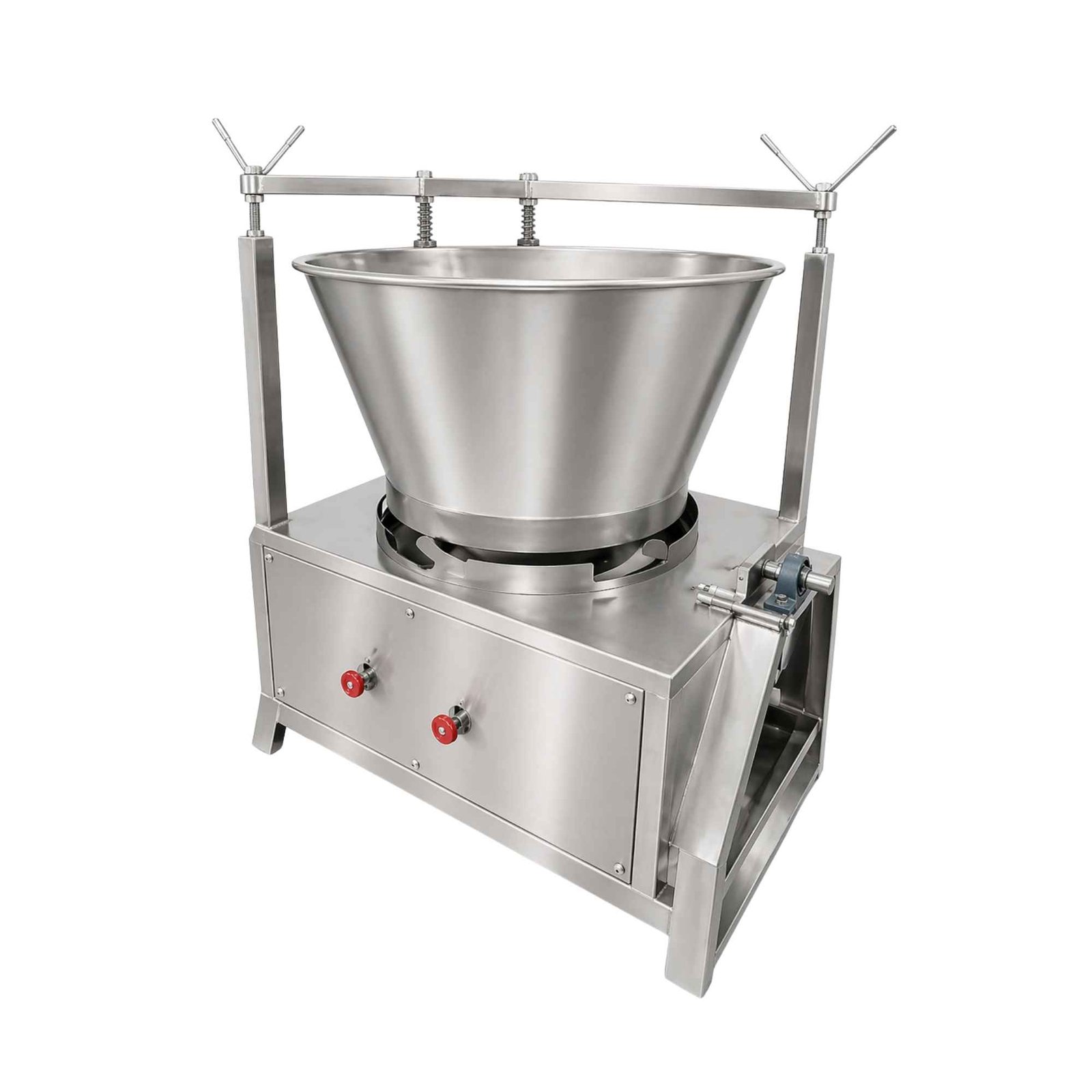
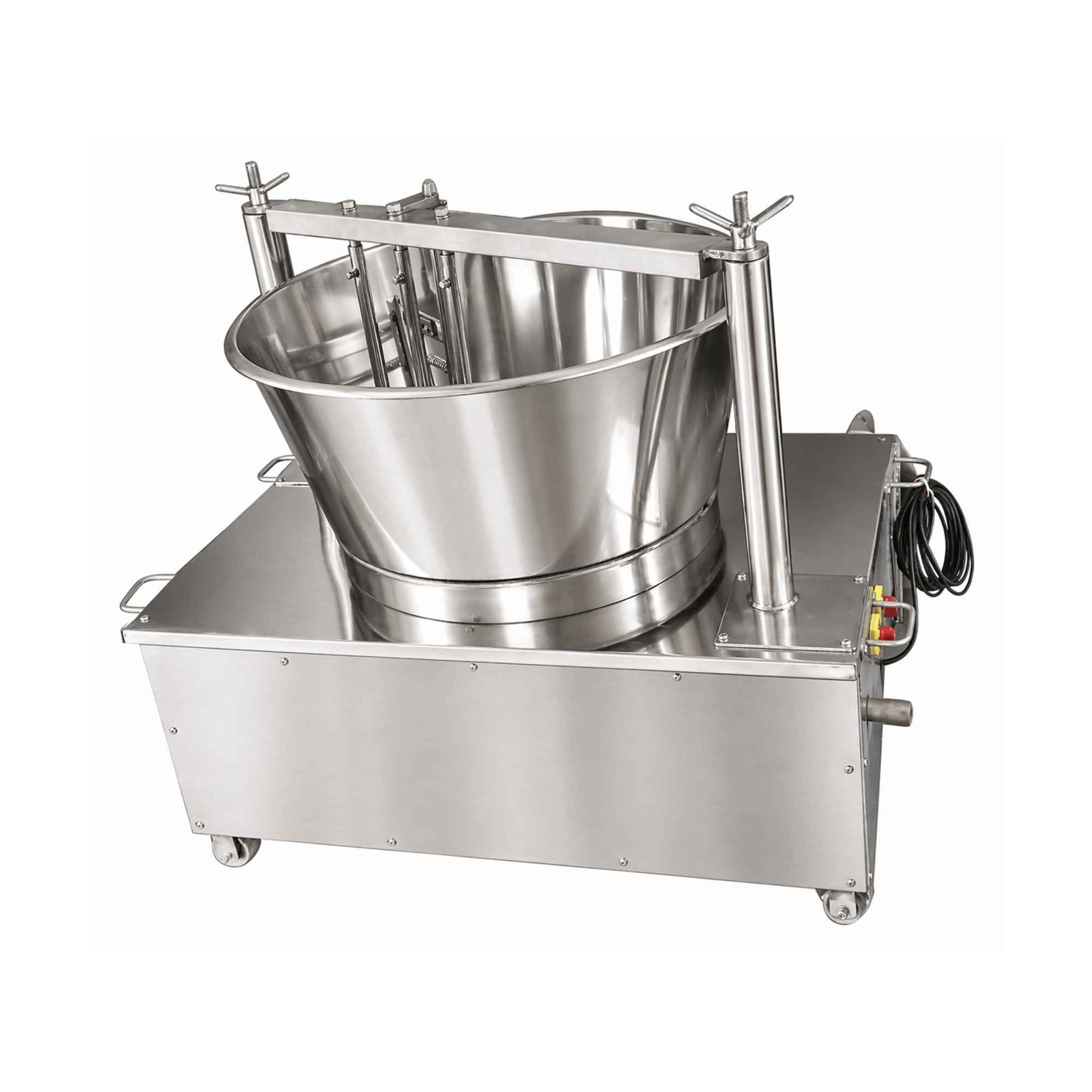

Description
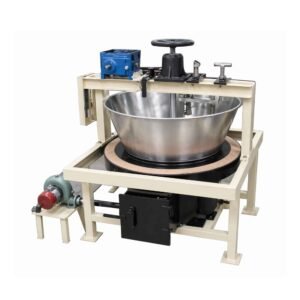
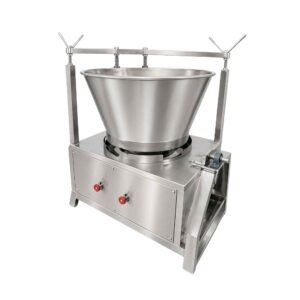
The 120 LTR Khoya Making Machine is designed for commercial sweet manufacturers, dairy processors and mithai production units that require a larger batch capacity for preparing khoya from milk.
With a 120-litre processing capacity, this machine is suitable for businesses that have moved beyond smaller production volumes and need a more capable solution for regular commercial khoya preparation.
It supports the controlled heating and concentration of milk required to produce khoya, which can then be used for manufacturing a variety of traditional Indian sweets.
Built for Higher-Volume Khoya Production
As a sweet business grows, smaller batch sizes may require too many production cycles during the day.
A 120 Litre Khoya Making Machine gives manufacturers a higher-capacity option for processing larger quantities of milk within each batch.
This makes it especially relevant for businesses that need:
- Higher milk-processing capacity
- Fewer batches compared with smaller machines
- Regular commercial khoya production
- Better production planning
- Equipment suitable for growing sweet demand
- A dedicated machine for larger mithai operations
- Scope for integration into a broader sweet-production line
Who Should Consider a 120 Litre Khoya Machine?
This capacity category can be useful for businesses where khoya is consumed or produced in significant quantities.
Large Sweet Shops
Suitable for established sweet shops that manufacture several khoya-based products every day.
Mithai Manufacturing Units
Useful for businesses supplying sweets in bulk to retail outlets, distributors or institutional buyers.
Dairy Processing Businesses
Can support dairy units looking to convert milk into value-added khoya/khoa products.
Central Production Kitchens
Suitable for centralized facilities supplying multiple shops, branches or catering operations.
Bulk Khoya Producers
Can be considered by businesses manufacturing khoya for supply to other sweet manufacturers.
How the 120 LTR Khoya Making Machine Supports Production
The machine is intended to assist with the milk concentration process.
The production stage generally follows:
Milk Loading → Heating → Continuous Concentration → Moisture Reduction → Khoya Formation → Product Removal
As the milk is processed, moisture is gradually reduced until the desired khoya consistency is reached.
Actual processing conditions can depend on the machine design, heating arrangement, milk composition and desired end-product consistency.
Why Capacity Matters When Choosing a Khoya Machine
Machine capacity should match the real production requirement of the business.
A smaller machine may be suitable for lower demand, but businesses processing larger milk volumes may need more batches to achieve the same daily output.
A 120 LTR Khoa Making Machine can help manufacturers handle a larger quantity per production cycle.
Before choosing this capacity, evaluate:
- Milk processed per day
- Number of batches required per shift
- Current khoya consumption
- Production growth plans
- Available utilities
- Space available for machine installation
- Downstream sweet-production capacity
120 Litre Model for Growing Sweet Factories
A growing production unit often reaches a stage where traditional preparation or smaller processing equipment can no longer comfortably support demand.
The Commercial 120 Litre Khoya Making Machine can be considered for businesses moving toward larger and more structured production.
Instead of repeatedly preparing small quantities, manufacturers can plan khoya production around larger batches that better support commercial manufacturing schedules.
120 LTR Khoya Making Machine vs Smaller Capacity Model
Things to Check Before Ordering a 120L Khoya Machine
Processing Requirement
Confirm that a 120-litre machine aligns with your actual batch requirement.
Heating System
The required heating configuration should match both the machine design and the utilities available at your facility.
Electrical Requirements
Power requirements should be confirmed before installation based on the selected machine configuration.
Machine Construction
Construction specifications should be checked according to your hygiene and commercial food-processing requirements.
Operating Method
Understand the level of manual or automated operation offered by the selected model.
Production Layout
Make sure sufficient space is available for loading, operating, cleaning and unloading the machine.
Commercial Benefits of a 120 Litre Khoya Machine
A higher-capacity machine can provide practical advantages for businesses that already have steady commercial demand.
These may include:
- Larger batch processing
- Better production scheduling
- Reduced need for repeated small batches
- Suitable capacity for established sweet businesses
- Easier integration with commercial manufacturing workflow
- Better scalability for future production growth
The actual benefits depend on the manufacturer’s workload and how the machine is integrated into the production process.
120 LTR Khoya Making Machine Price
The 120 LTR Khoya Making Machine price depends on more than vessel capacity.
Two machines with the same 120-litre capacity can differ significantly in price based on their construction and technical configuration.
Factors that can influence price include:
- Heating system
- Automation level
- Machine construction
- Motor configuration
- Electrical specifications
- Control system
- Additional operational features
- Customization requirements
For an accurate quotation, buyers should provide their expected milk-processing requirement and preferred machine configuration.
FAQs
A 120 LTR Khoya Making Machine is commercial milk-processing equipment designed around a 120-litre capacity for preparing khoya/khoa from milk.
Yes. It can be suitable for commercial sweet factories and mithai units whose batch requirements match a 120-litre processing capacity.
No. The 120-litre figure refers to the machine's capacity category, not necessarily the final weight or volume of khoya produced. Final yield depends on milk composition and processing conditions.
There is no single fixed yield because milk fat, solids content, moisture reduction and desired khoya consistency can affect the final quantity.
Yes. It can be considered for dairy-processing units that need commercial khoya production.
Price can vary depending on heating system, construction, automation, controls, electrical specifications and customization.
Suitable customization may be available depending on production and installation requirements.

There are no reviews yet.