
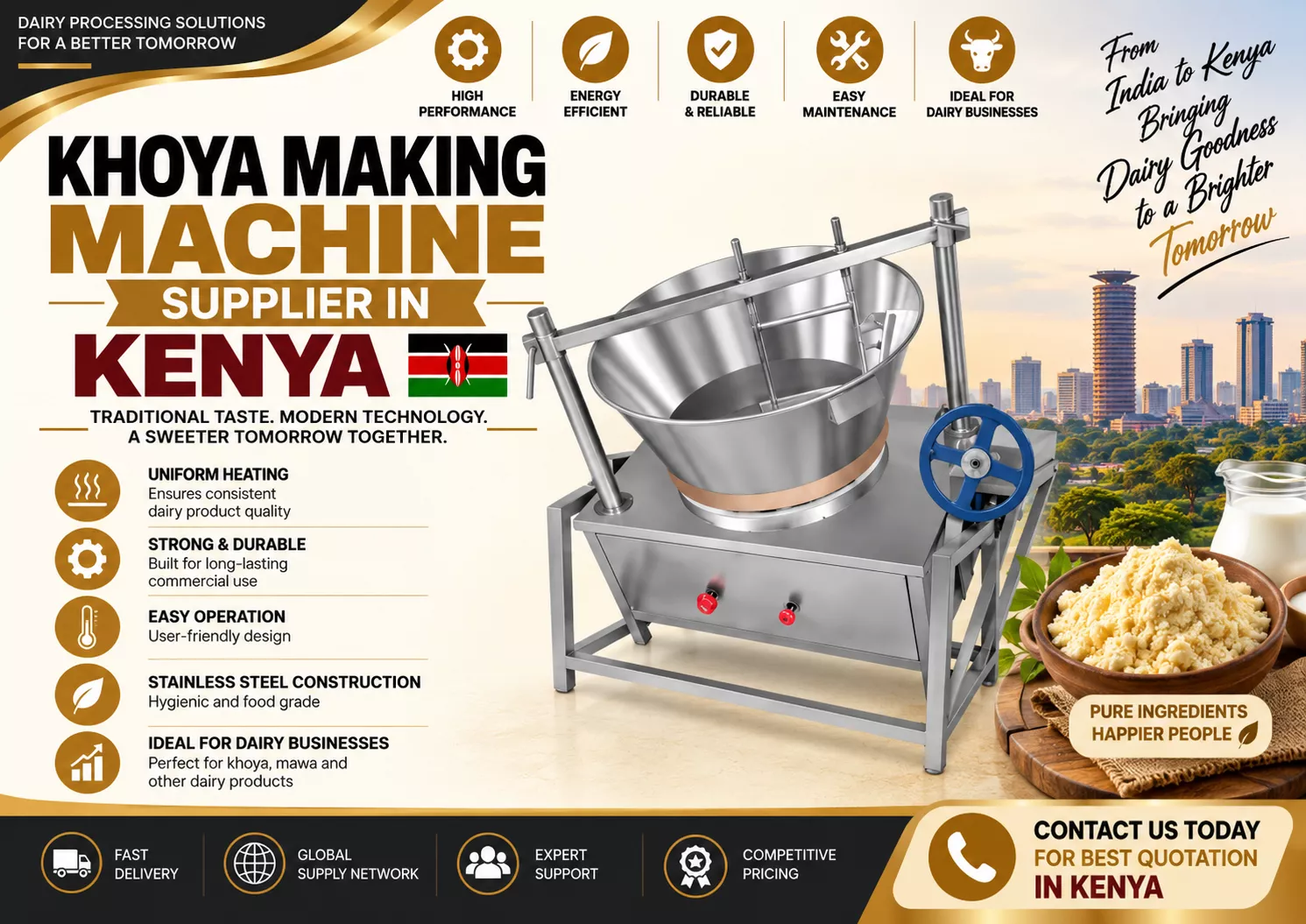
Khoya Making Machine Supplier In Kenya
Khoya, also called mawa or khoa, is an important milk-based ingredient used in many Indian sweets and traditional dairy foods. Products such as gulab jamun, peda, burfi, kalakand and several other sweets require good-quality khoya as a basic ingredient. As demand for Indian sweets and dairy-based foods grows, commercial food businesses need equipment that can produce consistent khoya in larger quantities. Working with a reliable Khoya Making Machine Supplier In Kenya can help businesses choose suitable equipment for their production requirements.
A reliable Khoya Making Machine Supplier In Kenya can help sweet manufacturers, dairy processors, hotels, restaurants and commercial kitchens improve their production process. Instead of depending completely on manual stirring and long hours of milk reduction, businesses can use dedicated machinery to make the process more controlled and repeatable.
Modern khoya machines are available in different capacities, heating arrangements, automation levels and construction options. The right selection depends on milk availability, production volume, available space, energy source and the type of products being manufactured.
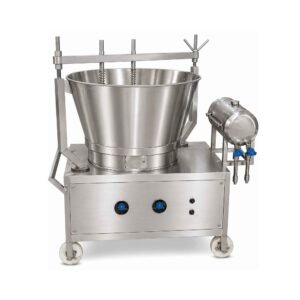
Diesel Operated Khoya Making Machine
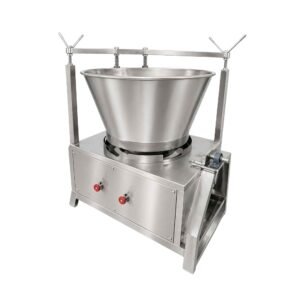
500 Ltr Khoya Making Machine
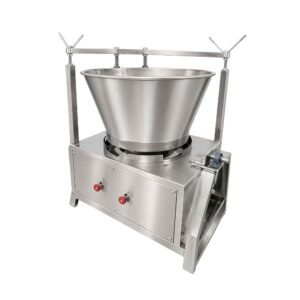
Khoya Making Machine 60 Litre
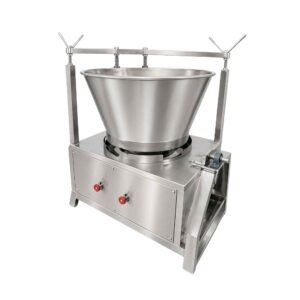
250 Litre Tilting Khoya Making Machine
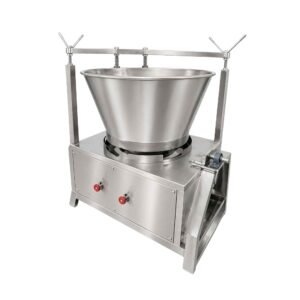
Tilting Khoya Making Machine
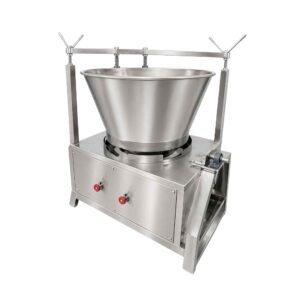
150 Litre Tilting Khoya Making Machine
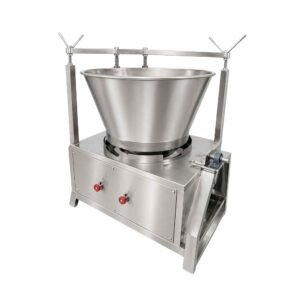
Khoya Making Machine
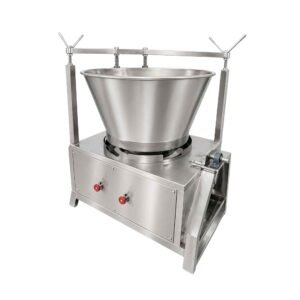
200 Litre Khoya Making Machine
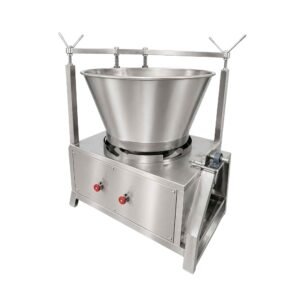
Small Khoya Making Machine
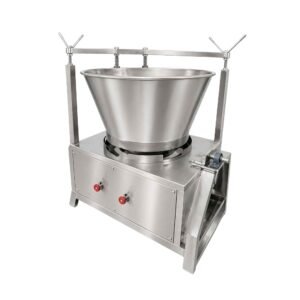
Tilting Paneer Making Machine
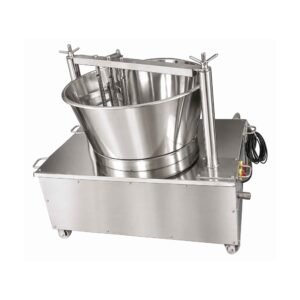
Gas Operated Khoya Making Machine
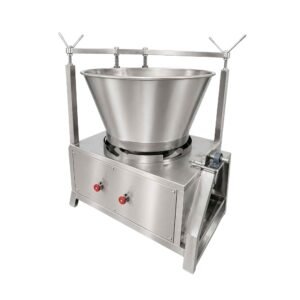
Electric Khoya Making Machine
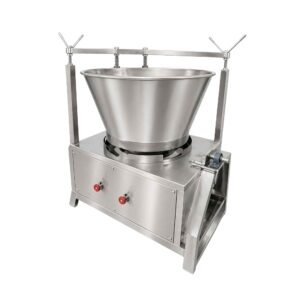
Mawa Making Machine
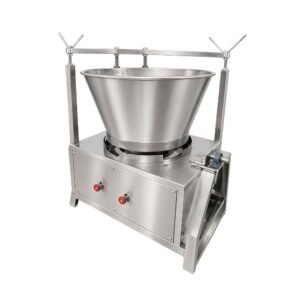
400 Litre Tilting Khoya Making Machine
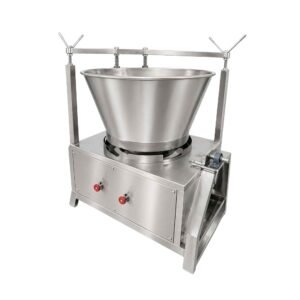
300 LPH Khoya Making Machine
Understanding Commercial Khoya Production
Traditional khoya production involves heating milk and continuously reducing its water content until a thick, semi-solid dairy product is obtained. The process needs careful heating and regular movement of the milk because excessive heat can cause sticking or burning.
For a small quantity, manual production may be manageable. However, commercial production becomes more difficult when the business needs to process milk every day. Labour requirements increase, product consistency becomes harder to maintain and the operator must spend considerable time near the cooking vessel.
A commercial machine changes this process by combining a heating arrangement with a suitable vessel and stirring or scraping mechanism. Depending on the design, the machine may be manually controlled, semi-automatic or automatic.
This makes the equipment useful for businesses that want to increase output without making the entire production process dependent on manual work.
Contact Sri Brothers Enterprises today to discuss your Khoya Making Machine requirement and request a quotation.
Why Kenyan Food Businesses Need Better Milk-Processing Equipment
Kenya has an established dairy sector, and dairy businesses operate across different scales. A business producing traditional sweets may have different equipment requirements from a dairy processor or a large commercial kitchen.
A Khoya Making Machine Supplier In Kenya can provide equipment suitable for different production environments, from relatively small sweet-making operations to larger food-processing units.
For a growing business, the machine should not be selected only according to its advertised capacity. The buyer should consider how much milk is actually available each day and how many production cycles are required.
For example, a shop processing a moderate quantity of milk may not need the same equipment as a factory supplying khoya to several sweet outlets. Selecting a machine that matches the real production requirement can help prevent both underutilisation and unnecessary investment.
How a Khoya Machine Changes the Production Process
The main purpose of the machine is to provide a controlled environment for milk reduction.
Milk is placed into the processing vessel and heated through the selected heating system. During heating, moisture gradually evaporates. A stirring or scraping arrangement helps keep the material moving and can reduce the possibility of product sticking to the working surface.
As the milk becomes thicker, the consistency changes. The operator can monitor the process and stop heating when the desired texture has been reached.
The machine design determines the precise operating method.Some models use direct gas heating, while others may use steam, electric heating or induction-based systems. Current commercial models are available with food-grade stainless-steel contact surfaces and different automation options.
Selecting the Correct Production Capacity
Capacity is one of the first specifications a buyer should discuss with a Khoya Making Machine Supplier In Kenya.
Different manufacturers offer different capacity ranges. Commercial examples include machines around 100–120 litres, 150–200 litres and larger systems designed for higher-volume production. Some manufacturers also offer machines in the 250–300 litre range or provide customised configurations.
The important point is that nominal capacity and actual production requirements are not always the same.
Before ordering, calculate:
- Daily milk availability
- Required khoya production
- Number of working hours
- Number of batches per day
- Available electricity or fuel
- Available production space
- Number of operators
- Future production expansion
A business should also ask whether the stated capacity refers to milk input per batch, processing capacity per hour or finished product output. These terms might mean somewhat diverse things.
Stainless Steel Construction and Food Hygiene
Food-contact construction is an important consideration when buying dairy processing machinery.
Stainless steel is widely used in commercial khoya equipment because it provides a smooth, durable surface and is suitable for food-processing environments. Some current machines specify SS 304 for the pan or product-contact areas.
A Khoya Making Machine Supplier In Kenya should clearly explain which parts of the machine are made from stainless steel and which parts use other materials.
The buyer should pay particular attention to:
- Product-contact vessel
- Stirring components
- Scraper assembly
- Product outlet
- Supporting frame
- Covers and guards
- Welding quality
- Surface finishing
Smooth internal surfaces are easier to inspect and clean. Good construction can also reduce areas where milk residues may remain after production.
Kenya’s dairy regulations require dairy businesses and relevant equipment to meet applicable standards, while the regulatory framework is intended to support dairy product quality and safety.
Heating Options for Different Production Setups
Heating is another major part of khoya equipment selection.
Gas-fired machines may be suitable for businesses that have access to an appropriate gas supply. Steam-operated systems can fit into facilities that already have a boiler or steam generation arrangement. Electric and induction systems may be considered where electrical infrastructure is suitable.
There is no single heating option that works equally well for every business.
A Khoya Making Machine Supplier In Kenya should therefore discuss the customer’s available energy source before recommending a configuration.
For example, a facility with an existing steam system may benefit from integrating the khoya equipment into that setup. A smaller commercial kitchen may prefer an electrically operated machine because of its simpler installation arrangement.
The buyer should compare energy availability, operating cost, installation requirements and maintenance needs rather than selecting a heating system only because it is commonly advertised.
The Role of the Stirring and Scraping System
As milk becomes thicker, movement inside the vessel becomes increasingly important.
A well-designed stirring or scraping mechanism helps move the product and can reduce the chances of material remaining stationary against heated surfaces. Commercial machines may use geared motors and scraper assemblies designed for slow, controlled movement. Some current equipment examples specify gear motors in different power ranges depending on machine size.
The mechanism should be strong enough for the final thick consistency of the product.
When evaluating a Khoya Making Machine Supplier In Kenya, ask about the scraper material, motor arrangement, gearbox, blade design and replacement availability.
This information becomes especially important for businesses that plan to operate the machine for several batches every day.
Manual, Semi-Automatic or Automatic Operation?
Not every business requires a fully automatic machine.
Manual equipment may suit small operations where production volume is limited and an operator is already available. Semi-automatic equipment can reduce physical work while still allowing the operator to control important stages.
Automatic models can provide more control over repetitive operations and may be suitable for businesses with higher production requirements. Some commercially available models include electric control panels or temperature-control arrangements.
A Khoya Making Machine Supplier In Kenya should explain the difference between these options instead of assuming that the most automated machine is suitable for every buyer.
The correct level of automation depends on production volume, labour availability, budget and the desired level of process control.
Designing the Production Area
Before purchasing the machine, measure the proposed installation area.
The machine needs enough space for loading milk, operating the controls, cleaning the vessel and removing finished khoya. Additional space may be required for raw milk handling, storage containers, ingredients, packaging and movement of workers.
Ventilation is also important when using certain heating systems. Electrical connections, gas arrangements or steam lines should be planned according to the selected machine.
A Khoya Making Machine Supplier In Kenya should provide installation dimensions and utility requirements before the final order is confirmed.
This helps the customer prepare the production area instead of discovering space or connection problems after delivery.
Cleaning and Daily Maintenance
Milk products can leave residues on equipment surfaces, especially when the product becomes thick during the final stage of processing.
For this reason, cleaning should be part of the daily production routine.
After the machine has been safely shut down and cooled as required, product-contact surfaces should be cleaned according to the manufacturer’s instructions. Scrapers, stirring components and accessible areas should receive particular attention.
Additionally, the machine needs to be routinely examined for:
- Loose fasteners
- Motor noise
- Gearbox condition
- Scraper wear
- Electrical connections
- Heating performance
- Welded joints
- Product-contact surface condition
Some commercial equipment is offered with manual cleaning or CIP-compatible arrangements, depending on design.
Applications Beyond Khoya
One advantage of dedicated milk-processing equipment is that certain machine designs may support related products.
Depending on the machine configuration and manufacturer’s specifications, equipment can be used for applications such as milk reduction, rabdi, basundi or other thick dairy preparations.
However, buyers should never assume that every khoya machine can process every product.
The viscosity, heating requirement, mixing method and final consistency can change from one product to another. Always confirm application suitability before using the equipment for a different recipe.
This is another area where a knowledgeable Khoya Making Machine Supplier In Kenya can help the buyer select an appropriate configuration.
Using Khoya Machinery in Sweet Manufacturing
Khoya is used as an ingredient in many traditional sweets. A sweet manufacturer may produce several products from the same basic milk-derived ingredient.
With a suitable production machine, the business can establish a more organised workflow. Milk processing can be planned according to the daily sweet-production schedule.
For example, the business may prepare khoya during an earlier production shift and use it later for products such as peda or burfi. This can make production planning easier when demand changes during weekends, holidays or festival periods.
The machine should therefore be considered as part of the wider production system rather than as an isolated piece of equipment.
Supporting Consistent Product Quality
Consistency is important for commercial food production.
Customers generally expect the same product texture and taste when they purchase the same sweet repeatedly. Variations in heating, stirring time and final moisture can affect the final khoya.
A Khoya Making Machine Supplier In Kenya can recommend equipment features that support repeatable processing, but recipe control still remains important.
The operator should establish standard operating procedures covering:
- Milk quantity
- Starting temperature
- Heating method
- Stirring speed
- Processing time
- Final consistency
- Cleaning procedure
- Batch records
Recording production information can help identify changes between batches and improve process control over time.
Spare Parts and Technical Support
Buying the machine is only one part of a long-term equipment decision.
The buyer should also ask about spare parts and service support. Common wear components may eventually require replacement, particularly in machines that operate frequently.
Before purchasing, ask the Khoya Making Machine Supplier In Kenya about availability of scraper components, motors, gearboxes, heating parts, electrical components and other service items.
It is also useful to understand:
- Warranty terms
- Installation support
- Operating instructions
- Preventive maintenance guidance
- Replacement-part availability
- Technical assistance
- Expected service intervals
Clear support arrangements can make machine ownership easier for a growing food business.
Understanding Kenyan Dairy Licensing Requirements
Businesses processing dairy products for commercial sale should consider applicable Kenyan regulatory requirements before starting production.
Kenya’s dairy regulatory framework provides for licensing and regulatory permits for dairy businesses. The regulations also define relevant standards for dairy products and equipment used in the dairy industry.
The exact requirements depend on the nature and scale of the business. Therefore, buyers should verify current requirements with the appropriate Kenyan authorities before commercial operation.
Equipment selection and regulatory planning should be handled together. A machine that is easy to clean, appropriately constructed and suitable for the intended food-processing environment can support better production practices.
What to Ask Before Ordering the Machine
A buyer contacting a Khoya Making Machine Supplier In Kenya should provide detailed information about the intended application.
Useful questions include:
What milk quantity will the machine process?
Give the supplier the expected daily and batch requirements.
What heating source is available?
Mention whether the facility has electricity, LPG, steam or another suitable energy source.
What automation level is required?
Explain whether manual, semi-automatic or automatic operation is preferred.
What material is used for product-contact parts?
Ask for the exact stainless-steel grade and construction details.
How is the machine cleaned?
Understand which parts can be removed and how cleaning is performed.
What are the dimensions and weight?
This helps with transportation and installation planning.
What spare parts are available?
Confirm how replacement components can be obtained.
What after-sales support is included?
Ask about installation, training, warranty and technical assistance.
These questions can make the quotation process clearer and help prevent misunderstandings.
Choosing Equipment for a Growing Business
A small sweet shop may start with a modest machine and later require higher production capacity. A dairy processor may have larger requirements from the beginning.
The best approach is to calculate expected production for the next few years instead of looking only at today’s output.
If the expected growth is significant, the buyer can discuss a larger machine or a modular production arrangement. On the other hand, buying a machine that is much larger than the actual requirement can increase initial investment and leave expensive equipment underused.
A Khoya Making Machine Supplier In Kenya should therefore evaluate the application before suggesting a machine capacity.
Why Work With an Experienced Supplier?
Machinery performance depends on more than the name printed on the equipment.
A supplier should understand milk processing, heating arrangements, stirring requirements, food-contact construction and commercial production conditions. The supplier should also be able to explain the machine clearly rather than providing only a price.
For Kenyan buyers, communication about shipping, installation, electrical requirements, spare parts and after-sales support is equally important.
A professional Khoya Making Machine Supplier In Kenya can help the customer move from product selection to installation with fewer uncertainties.
The supplier should also provide clear technical information so the buyer can compare different machine configurations before making a purchase decision.
Why Choose Us as Your Khoya Machine Supplier?
We provide commercial khoya-making solutions designed for businesses that need controlled and efficient milk processing. Our focus is on practical machine selection based on production requirements rather than offering one standard configuration to every customer.
We can discuss capacity, heating method, automation level, construction requirements and application before preparing a suitable quotation.
Whether you operate a sweet shop, dairy-processing unit, hotel, restaurant or commercial food-production facility, we can help you identify a machine configuration according to your production needs.
As a Khoya Making Machine Supplier In Kenya, we understand that every customer may have different milk volumes, available utilities, production targets and installation conditions. Therefore, machine selection should be based on actual requirements.
Frequently Asked Questions
A khoya making machine is commercial equipment used to reduce milk and produce thick khoya or mawa. It combines a heating arrangement with a processing vessel and, depending on the design, a stirring or scraping mechanism.
Yes. Commercial khoya machines are commonly designed for sweet shops and food-production businesses that need larger quantities than can be conveniently prepared manually.
The capacity should be based on daily milk availability, required finished production, working hours and the number of batches planned each day. A supplier can recommend the appropriate size after reviewing these requirements.
Gas, steam, electric and induction-based arrangements are available in different machine designs. The appropriate option depends on local utility availability, operating conditions and production requirements.
Yes. Stainless steel is widely used for food-processing equipment because suitable grades provide durable and cleanable food-contact surfaces. The exact material grade should be confirmed before purchase.
Some models can be used for related milk-reduction products such as rabdi or basundi, depending on their design and manufacturer's stated applications. Always confirm suitability before processing another product.
Product-contact areas should be cleaned after production according to the manufacturer's instructions. The exact cleaning procedure depends on the machine design and the type of product processed.
Yes. Kenya has regulations covering dairy businesses, licensing and relevant standards for dairy products and equipment used in the dairy industry. Businesses should verify the latest applicable requirements before commercial operation.
Depending on the manufacturer, customization may be possible for capacity, heating arrangement, automation, vessel design and other requirements. Before the quotation is finalized, customization should be considered.
Provide the supplier with your required milk capacity, preferred heating source, automation level, available power supply and intended application. This information helps the supplier prepare a more suitable quotation.
Conclusion
Commercial khoya production requires controlled heating, effective movement of milk and a machine that fits the production environment. For Kenyan sweet manufacturers, dairy businesses, hotels and commercial kitchens, choosing the correct equipment can make daily milk processing more organised and manageable.
A Khoya Making Machine Supplier In Kenya should be able to explain capacity, heating, construction, automation, cleaning, installation and after-sales support before the machine is purchased.
The right machine is not simply the largest or most automated model. It is the equipment that matches the business’s milk supply, production target, available utilities, workspace and future plans.
For businesses planning to expand their dairy or Indian sweet production, a properly selected khoya machine can become an important part of a more consistent and efficient manufacturing workflow.



Add a review
Your email address will not be published. Required fields are marked *