
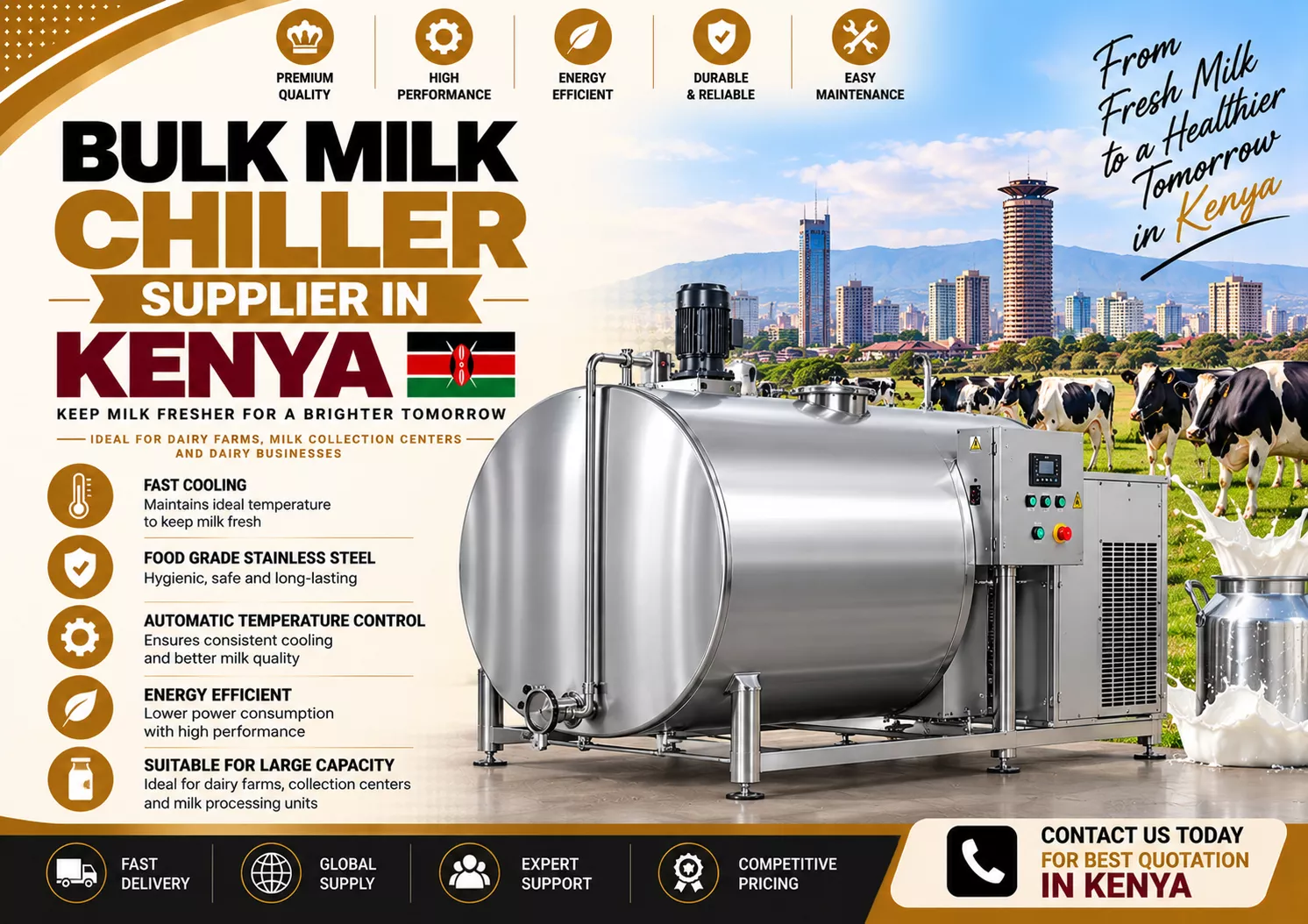
Bulk Milk Chiller Supplier In Kenya
Milk is one of the most important food products used every day. It is collected from dairy farms and then moved to collection centres, cooperatives, milk processing plants and other dairy businesses. Because fresh milk is perishable, proper handling and storage are important after milking. For efficient milk storage and temperature control, businesses can work with a reliable Bulk Milk Chiller Supplier In Kenya.
A reliable Bulk Milk Chiller Supplier In Kenya can provide suitable milk cooling equipment for farms, milk collection centres, dairy cooperatives and commercial dairy businesses. A bulk milk chiller provides a controlled place to store and handle collected milk before it is transferred for further processing or transportation.
Bulk milk chillers are available in different capacities and configurations. The right option depends on the amount of milk collected, operating conditions, available space, electricity supply and the requirements of the dairy business.
Bulk Milk Cooler 500 Litre
Bulk Milk Cooler 200 Litre
Bulk Milk Chiller 1500 Litre
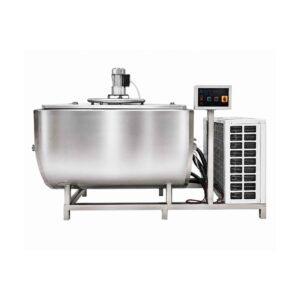
Bulk Milk Chiller
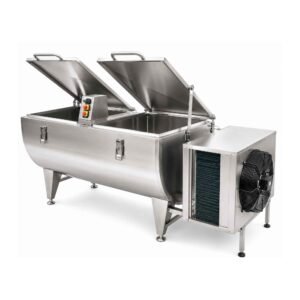
Bulk Milk Chiller 1000 Litre
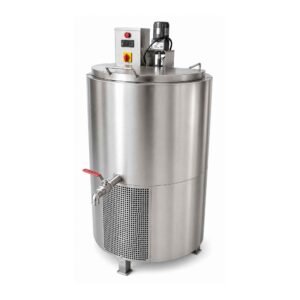
Bulk Milk Chiller 100 Litre
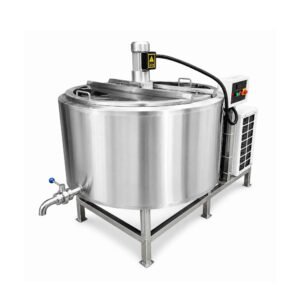
Bulk Milk Chiller 300 Litre
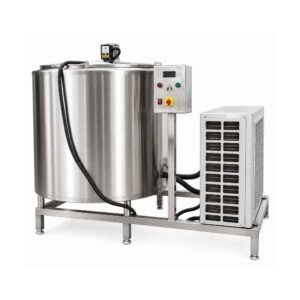
Bulk Milk Cooler
What Is a Bulk Milk Chiller?
A bulk milk chiller is a refrigerated stainless-steel tank designed for storing and cooling fresh milk. It is generally used when milk needs to be collected from one or more sources and kept in a controlled environment before transportation or processing.
The system normally consists of a milk storage tank, refrigeration unit, agitator, temperature control, insulation, inlet and outlet connections and supporting components.
The tank provides a central storage point for milk. The agitator gently mixes the milk, while the refrigeration system manages the temperature according to the equipment design.
A Bulk Milk Chiller Supplier In Kenya can provide different equipment configurations depending on whether the machine is required for a small dairy farm, farmer group, milk collection centre or larger processing operation.
Contact Sri Brothers Enterprises today to discuss your Bulk Milk Chiller requirement and request a quotation.
Why Use a Bulk Milk Chiller in Kenya?
Dairy businesses need practical equipment that can handle daily milk collection. When milk is received from several farmers, using separate containers for a long period can make handling more difficult.
A bulk milk chiller provides one central location where milk can be collected and managed. It can make the collection process more organized and help operators maintain better control over the milk storage environment. Businesses looking for suitable cooling equipment can work with a reliable Bulk Milk Chiller Supplier In Kenya.
A milk cooling system can be useful for:
Dairy farms
Milk collection centres
Dairy cooperatives
Farmer groups
Milk processors
Commercial dairy businesses
Agricultural projects
Institutional dairy operations
Kenya’s dairy regulations recognize a cooling plant as a facility used to bulk and cool milk, while collection centres are locations where milk may be tested, aggregated or bulked for further transfer or processing.
This makes suitable milk handling equipment important for businesses involved in organized dairy collection.
Applications of Bulk Milk Chillers
Different dairy businesses can use bulk milk cooling equipment for different purposes. The size and configuration should be selected according to the actual application.
Dairy Farms
Large dairy farms can use a bulk milk chiller to collect milk from their milking operations. Instead of moving milk between many small containers, milk can be transferred into a central tank.
This can simplify daily handling and provide a dedicated storage area before the milk is collected by a buyer or transported to a processing facility.
Milk Collection Centres
Milk collection centres often receive milk from different farmers. A bulk tank can provide a central system for receiving and holding the collected milk.
The system can also be combined with milk testing, filtration, pumping and other collection equipment depending on the project.
Dairy Cooperatives
Farmer cooperatives can use bulk milk chillers to manage milk collected from their members. The equipment can help create a more organized collection process and make it easier to transfer larger quantities of milk.
Milk Processing Plants
Milk processing businesses may use bulk milk cooling equipment as part of their milk receiving area. The chiller can work together with pumps, pipelines, storage tanks and other dairy processing equipment.
Farmer Groups
Small and medium-sized farmer groups can select a suitable tank according to their daily milk collection quantity. A correctly sized system can provide useful storage capacity without requiring an unnecessarily large installation.
Main Components of a Bulk Milk Chiller
A good milk cooling system contains several components that work together. Understanding these components can help buyers choose suitable equipment.
Stainless Steel Milk Tank
The tank is the main section of the system. It holds the milk and provides the internal surface that comes into contact with the product.
Stainless steel is commonly used for dairy equipment because it provides a smooth, durable and cleanable surface. For dairy applications, buyers should check the material grade and construction of the milk-contact parts.
Refrigeration Unit
The refrigeration unit is responsible for removing heat from the milk. It can include a compressor, condenser, evaporator, expansion device and control components.
The refrigeration capacity should match the tank size and operating requirements. A properly matched system can provide better performance than simply selecting the largest refrigeration unit available.
Milk Agitator
The agitator gently mixes the milk inside the tank. This helps maintain a more even condition throughout the stored milk.
The agitator should be designed for dairy applications and should not cause unnecessary product disturbance.
Temperature Control
A temperature control system allows the operator to monitor and manage the operating temperature.
Depending on the equipment model, the control panel may include temperature display, operating controls, refrigeration controls and safety functions.
Insulation
The tank normally uses insulation around the milk storage section. Good insulation helps reduce heat transfer between the tank and the surrounding environment.
This can support stable operation and reduce unnecessary refrigeration load.
Milk Inlet and Outlet
The inlet allows milk to enter the tank, while the outlet is used for transferring milk out of the system.
Sanitary fittings and suitable connections should be selected according to the milk handling arrangement.
Milk Pump
A milk pump may be included when milk needs to be transferred between different parts of the collection system.
For larger installations, the pump can connect the collection area with the bulk tank or other dairy equipment.
Milk Filter
A filter can be installed in the milk receiving line to help remove visible unwanted particles before the milk enters the storage tank.
The filter design should allow easy cleaning and replacement when required.
Bulk Milk Chiller Capacities
Capacity is one of the most important points when purchasing a milk cooling system.
A business should first calculate how much milk it normally receives during a collection period. It should also consider future production growth before selecting the tank size.
Common capacities may include:
- 500 litres
- 1,000 litres
- 2,000 litres
- 3,000 litres
- 5,000 litres
- 10,000 litres
- Customized capacities
A small dairy operation may require a compact tank, while a large collection centre may need several thousand litres of storage capacity.
A Bulk Milk Chiller Supplier In Kenya can help customers select the tank size according to milk collection volume, operating schedule and available installation space.
The tank should not be selected only by looking at its maximum capacity. The buyer should also consider how often milk will arrive, how quickly it needs to be transferred and how much milk is expected in the future.
Hygienic Construction
Hygiene is an important part of dairy equipment design. Milk-contact surfaces should be suitable for food applications and easy to clean.
The tank, pipes, valves, gaskets and other milk-contact parts should be designed to support proper cleaning and maintenance.
Important points to check include:
- Stainless-steel milk-contact surfaces
- Smooth internal surfaces
- Suitable food-grade gaskets
- Sanitary fittings
- Easy access for cleaning
- Proper drainage
- Suitable milk inlet
- Suitable milk outlet
- Cleanable piping
- Corrosion-resistant construction
Kenya’s Dairy Produce Safety Regulations include requirements related to dairy premises, equipment, sanitation and handling practices.
Therefore, hygiene should be considered when selecting both the machine and the complete milk collection setup.
Cleaning and Maintenance
Regular cleaning is necessary for milk handling equipment. Milk residue can remain on internal surfaces, pipes, valves and other parts if the equipment is not cleaned properly.
Operators should always follow the manufacturer’s cleaning instructions and use suitable cleaning and sanitizing procedures.
A good design should provide easy access to important milk-contact areas.
Routine maintenance can include checking:
- Refrigeration components
- Temperature sensors
- Agitator operation
- Gaskets
- Valves
- Milk pump
- Electrical connections
- Condenser condition
- Piping connections
- Insulation
Regular inspection can help identify small problems before they become larger maintenance issues.
Electricity and Power Options
The power supply should be considered before installing a milk cooling system.
Most refrigeration equipment requires a suitable electrical supply. The required power depends on the tank capacity, refrigeration system, pump and other connected equipment.
Some dairy projects may also consider solar power or backup power where electricity supply is not reliable.
A Bulk Milk Chiller Supplier In Kenya can assess the equipment requirement and provide information about the electrical load, control system and possible power options.
For remote dairy collection centres, the availability of reliable electricity should be checked before finalizing the equipment configuration.
How to Choose the Right Bulk Milk Chiller
Choosing the right equipment is easier when the buyer understands the actual operating requirement.
Check Daily Milk Quantity
Start by calculating the average amount of milk collected each day. Also check the highest expected collection volume.
This information helps determine the required tank capacity.
Consider Future Growth
If milk production is expected to increase, the buyer should consider future requirements before selecting the tank.
Choosing a slightly larger system may be useful when production is expected to grow, but the decision should be based on actual business plans.
Check Material Quality
Ask for information about the tank material and milk-contact components. The construction should be appropriate for dairy use.
Check Refrigeration Capacity
The refrigeration system should be matched to the tank size and expected operating conditions.
Check Cleaning Arrangement
The equipment should be easy to clean. Ask about tank access, drainage, fittings and cleaning procedures before purchasing.
Check Available Space
Measure the installation area before ordering the machine. Leave enough space around the equipment for operation, cleaning and maintenance.
Check Power Supply
Confirm the available voltage, phase, electrical load and backup requirements before installation.
Consider Technical Support
A supplier should provide suitable technical information, installation guidance and operating instructions.
Installation of Bulk Milk Cooling Equipment
Proper installation helps the equipment operate correctly.
The installation process can include positioning the tank, connecting the refrigeration system, installing electrical controls, connecting milk pipes and setting up the milk pump.
For larger projects, installation may also involve testing and commissioning.
A Bulk Milk Chiller Supplier In Kenya can provide installation support and help customers understand the basic operating requirements of the equipment.
Before regular operation begins, the system should be checked for proper refrigeration operation, agitator movement, temperature control, electrical connections and milk transfer.
The installation area should also be kept clean and suitable for dairy operations.
Benefits for Dairy Businesses
A bulk milk chiller can provide several practical benefits when it is correctly selected and operated.
Centralized Milk Handling
Milk from different sources can be brought into one central tank. This can simplify collection and transfer.
Better Organization
A dedicated milk tank provides a structured place for receiving and storing milk before transportation or processing.
Suitable for Different Business Sizes
Different capacities allow small farmer groups and large dairy businesses to choose equipment according to their needs.
Easier Milk Transfer
When combined with a suitable milk pump and piping, the system can make the transfer of larger quantities easier.
Easy Monitoring
Temperature controls and displays can help operators monitor the equipment during operation.
Expandable Dairy Setup
Businesses can add other equipment such as pumps, filters, pipelines, cleaning systems and power solutions according to their future requirements.
Bulk Milk Chiller for Milk Collection Centres
Milk collection centres have a special need for organized equipment because they may receive milk from many farmers during the day.
A suitable bulk tank can become the central part of the collection system. Milk can be received, checked and transferred into the tank before being collected by a dairy processor or transporter.
Kenya provides a licensing process for milk cooling plants, and the government eProcedures portal identifies a milk cooling plant licence for facilities handling raw milk through cooling plants of different capacities.
For this reason, businesses planning a commercial milk cooling facility should also check the applicable licensing and compliance requirements before starting operations.
Why Choose Us as a Bulk Milk Chiller Supplier In Kenya?
should match the actual application instead of being selected only by price or tank size.
As a Bulk Milk Chiller Supplier In Kenya, we focus on providing practical equipment solutions for different dairy applications.
Our solutions can be configured according to:
- Required milk capacity
- Dairy farm size
- Collection centre requirements
- Available power supply
- Installation space
- Milk transfer method
- Cleaning requirements
- Future expansion plans
Depending on the project, the system can include the stainless-steel tank, refrigeration unit, agitator, temperature control, milk pump, filter, piping and other accessories.
Customers can also discuss customized requirements before finalizing the equipment.
Customized Bulk Milk Chiller Solutions
Every dairy business does not have the same requirement.
A farm may need a simple storage and cooling arrangement, while a milk collection centre may require a complete system with a pump, filter, piping and additional equipment.
A customized approach allows the equipment to be selected according to the actual application.
A Bulk Milk Chiller Supplier In Kenya can help customers discuss tank capacity, refrigeration requirements, milk handling, power supply and installation conditions before selecting the final configuration.
This approach can help businesses avoid buying equipment that is too small, too large or unsuitable for their operating conditions.
What to Check Before Buying
Before placing an order, buyers should prepare a basic list of requirements.
Check the following:
- Required tank capacity
- Daily milk collection quantity
- Maximum milk collection quantity
- Available electrical supply
- Installation location
- Milk inlet arrangement
- Milk outlet arrangement
- Pump requirement
- Filter requirement
- Cleaning method
- Insulation
- Temperature control
- Maintenance support
- Installation support
- Warranty terms
- Spare parts availability
A clear requirement list makes communication between the buyer and supplier easier.
Frequently Asked Questions
A bulk milk chiller is a refrigerated tank used for handling and storing fresh milk in a controlled environment. It is commonly used by dairy farms, milk collection centres, cooperatives and processing businesses.
The correct capacity depends on the quantity of milk collected during each operating period. A buyer should consider both current production and expected future growth.
Stainless steel is widely used for dairy equipment because it provides a durable and cleanable surface. Buyers should confirm the material grade and suitability of the milk-contact parts.
Yes. Depending on the supplier, tank capacity, refrigeration configuration, milk pump, piping, control system and other components can be selected according to project requirements.
Solar power can be considered for suitable installations, especially where grid electricity is limited. The complete electrical load should be calculated before selecting the solar system.
It can be used at dairy farms, milk collection centres, farmer cooperatives, milk processing facilities and agricultural dairy projects.
Cleaning should follow the equipment manufacturer's instructions and the applicable dairy hygiene procedures. Milk-contact surfaces should be cleaned properly after use or according to the operating schedule.
Commercial milk cooling plants may be subject to licensing requirements. Kenya's official eProcedures portal lists a milk cooling plant licence, so businesses should confirm the current requirements with the relevant authority before operation.
Provide the required tank capacity, expected milk quantity, location, available power supply, application, preferred accessories and any special installation requirements.
Conclusion
A bulk milk cooling system can be an important part of a modern dairy operation. It provides a central place for handling collected milk and can be configured for farms, cooperatives, collection centres and processing businesses.
As a Bulk Milk Chiller Supplier In Kenya, we offer solutions for different milk handling requirements. Equipment can be configured with stainless-steel tanks, refrigeration systems, agitators, temperature controls, milk pumps, filters, piping and other accessories.
The correct machine should be selected according to milk quantity, tank capacity, power availability, installation space, cleaning requirements and future business plans.
A well-planned system can make daily milk handling more organized and provide a practical solution for dairy businesses that need reliable equipment for their milk collection operations.
If you are looking for a Bulk Milk Chiller Supplier In Kenya, share your required capacity, milk collection quantity, location and power availability. Based on these details, the suitable equipment configuration can be discussed for your dairy project.



Add a review
Your email address will not be published. Required fields are marked *