
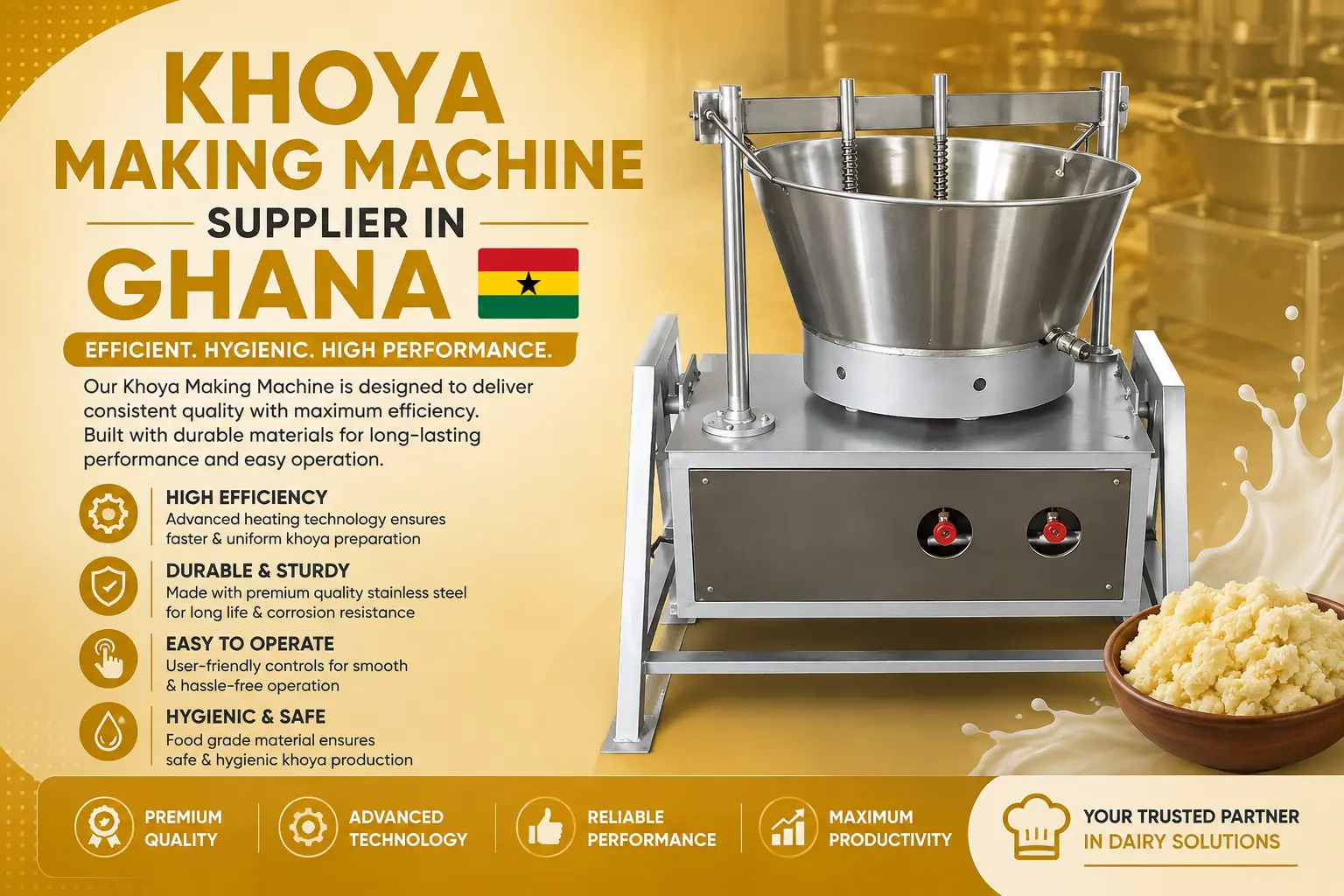
Khoya Making Machine Supplier In Ghana
Khoya, also called mawa, is an important ingredient used in many traditional sweets. It is prepared by heating milk and reducing it until it becomes thick and concentrated. For a small quantity, this process can be done manually, but commercial production requires much more time, stirring, and operator effort. Businesses planning to increase their khoya production can work with a reliable Khoya Making Machine Supplier In Ghana to explore suitable equipment for their production needs.
A Khoya Making Machine can make this process easier by combining heating and continuous mixing in a dedicated production system.
Sri Brothers Enterprises is an India-based manufacturer and supplier of food and dairy processing machinery. We manufacture machinery in India and supply equipment to customers in Ghana.
If you are searching for a Khoya Making Machine Supplier In Ghana, our team can discuss your milk-processing requirement, production capacity, and suitable machine configuration.
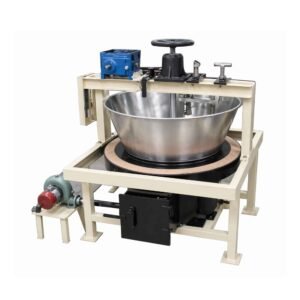
Wood Fired Khoya Machine
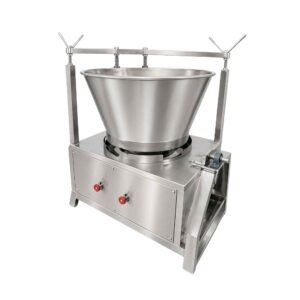
250 Litre Tilting Khoya Making Machine
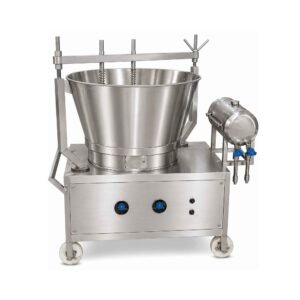
Diesel Operated Khoya Making Machine
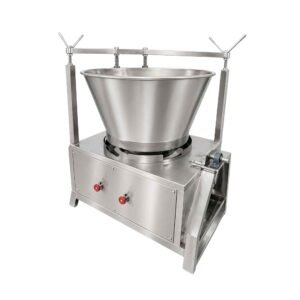
200 Litre Khoya Making Machine
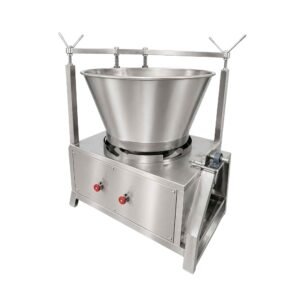
Small Khoya Making Machine
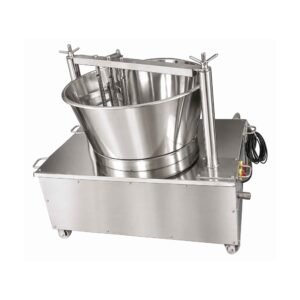
Gas Operated Khoya Making Machine
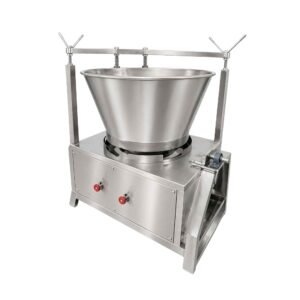
Tilting Khoya Making Machine
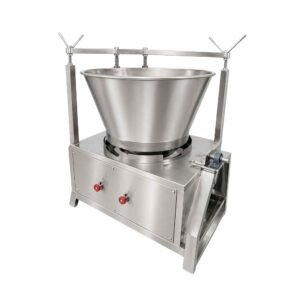
Khoya Making Machine
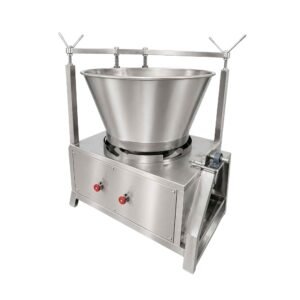
Electric Khoya Making Machine
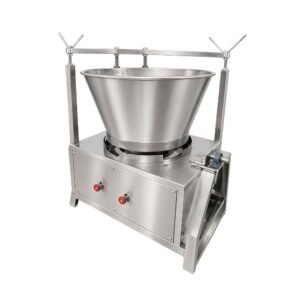
400 Litre Tilting Khoya Making Machine
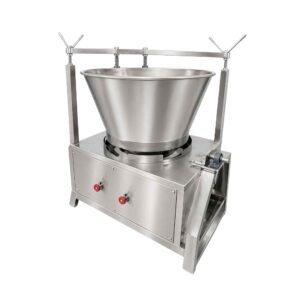
150 Litre Tilting Khoya Making Machine
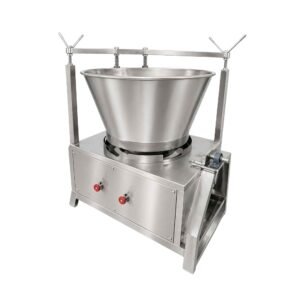
500 Ltr Khoya Making Machine
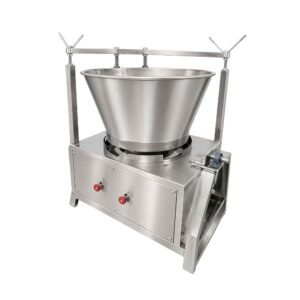
Khoya Making Machine 60 Litre
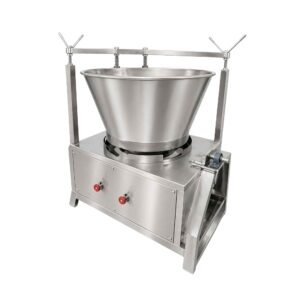
Mawa Making Machine
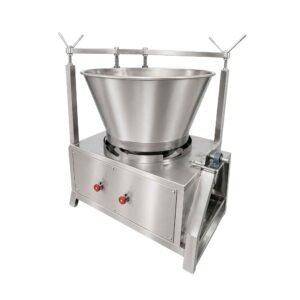
120 LTR Khoya Making Machine
What Is a Khoya Making Machine?
A khoya-making machine is specialized dairy-processing equipment used to convert milk into thick khoya or mawa.
In the traditional method, milk is heated in an open pan and continuously stirred and scraped to prevent the milk solids from sticking. A commercial machine mechanizes much of this heating and mixing process.
The basic production flow is:
Fresh Milk → Heating → Continuous Mixing → Water Reduction → Thickening → Khoya
The exact operating process depends on the machine design, heating system, milk quantity, and required final consistency.
Contact Sri Brothers Enterprises today to discuss your Automatic Khoya Making Machine requirement and request a quotation.
Why Use a Machine Instead of Traditional Cooking?
Traditional khoya preparation can be practical for small quantities, but the workload increases quickly when production becomes commercial.
A suitable Khoya Processing Machine can help with:
Reducing repetitive manual stirring
Handling larger batches
Improving production efficiency
Maintaining more consistent mixing
Organizing the production process
Reducing operator workload
Supporting regular commercial production
Some commercial machines are available in different capacities, including models around 55, 100, and 200 litres, while other manufacturers offer larger configurations. Businesses can discuss these capacity options with a reliable Khoya Making Machine Supplier In Ghana based on their production requirements.
The correct capacity should always be selected according to the buyer’s actual production requirement.
How Does the Machine Produce Khoya?
The process is straightforward.
Milk Filling
Fresh milk is added to the machine’s processing vessel.
Heating
The milk is heated using the machine’s selected heating system.
Mixing and Scraping
A mechanical agitator or scraper keeps the milk moving during processing. This helps reduce sticking and supports even heating.
Milk Reduction
As heating continues, water is removed from the milk and the mixture gradually becomes thicker.
Final Khoya
When the required consistency is achieved, the finished khoya is removed from the machine.
The final texture can vary depending on the recipe and the desired type of khoya.
Where Can Khoya Production Equipment Be Used?
A commercial Mawa Making Machine can be useful in several food businesses.
Sweet Manufacturing Units
Sweet manufacturers can produce khoya for use in their own products or for sale to other businesses.
Sweet Shops
A busy sweet shop can use commercial equipment when its daily khoya requirement becomes too high for manual production.
Dairy Businesses
Dairy-processing businesses can add khoya production to their existing range of milk-based products.
Commercial Kitchens
Hotels, restaurants, and large kitchens may use khoya for preparing traditional desserts and sweets.
Packaged Sweet Businesses
Companies producing packaged sweets can use khoya as a raw material for products such as peda, barfi, and other milk-based sweets.
What Products Can Be Made Using Khoya?
Khoya is used in many traditional Indian sweets.
Depending on the recipe, it can be used for:
- Peda
- Barfi
- Gulab Jamun
- Kalakand
- Milk cake
- Gajar halwa
- Other milk-based sweets
This makes a commercial Khoya Making Machine useful not only for producing khoya itself but also for businesses manufacturing a wider range of sweets.
Choosing the Right Machine Capacity
Capacity is one of the most important points to consider before buying.
Do not select a machine simply because it has a higher capacity.
First calculate:
How much milk do you process every day?
How much milk should one batch handle?
How many batches do you need per day?
Will your production increase in the future?
Commercial machines are available in different sizes. For example, some manufacturers list capacities such as 55, 100, and 200 litres, while other systems can be configured for larger production requirements.
For a larger commercial project, India’s NIFTEM project report for a khoya-making unit uses a 50 kg/hour machine capacity as an example for production planning.
Your required capacity should be finalized according to your own milk supply and production target.
Heating Options for Khoya Production
The heating system is another important factor.
Depending on the machine model, different heating options may be available.
Gas Heating
Gas or LPG heating can be suitable where the required fuel supply is readily available.
Electric Heating
Electric heating can be considered where the factory has a suitable electrical connection.
Other Heating Systems
Some commercial configurations may use alternative heating arrangements depending on the plant design.
For example, manufacturers list gas, LPG, and electric options for different khoya machines.
The heating method should be selected according to your available utilities, production capacity, operating cost, and factory conditions.
What Should You Check Before Buying?
When comparing a Khoya Making Machine Supplier In Ghana, do not focus only on the machine price.
Check the complete specification.
Milk Capacity
Confirm how much milk the machine can process in one batch or during a specified production period.
Material
Ask about the material used for the milk-contact parts. Stainless steel is widely used in commercial dairy-processing equipment.
Heating System
Confirm whether the machine uses gas, electric, or another heating method.
Agitator
Ask how the milk is mixed and scraped during processing.
Automation
Understand exactly which operations are automatic and which require operator involvement.
Cleaning
Milk-based equipment needs regular cleaning, so easy access to the processing area is important.
Maintenance
Ask about spare parts, routine maintenance, and technical support before ordering.
Automatic or Semi-Automatic Khoya Machine?
Both options can be useful, depending on the business.
Semi-Automatic
A semi-automatic machine can reduce manual work while allowing the operator to control important stages.
Automatic
An automatic khoya machine can reduce operator involvement further and may be more suitable for higher-volume production.
However, the word “automatic” can mean different things on different machines.
Always ask the supplier:
- What operations are automatic?
- What operations remain manual?
- What is the actual production capacity?
- What controls are included?
This gives you a clearer understanding of what you are purchasing.
Khoya Production for Businesses in Ghana
A food business in Ghana can use khoya production equipment for different purposes.
You may want to:
- Start a traditional sweet business
- Supply khoya to sweet shops
- Manufacture Indian sweets
- Expand an existing dairy business
- Produce packaged milk-based sweets
- Supply restaurants and catering businesses
Your target customers should influence the machine capacity.
If you are supplying only a few shops, a smaller production setup may be enough. If you plan to supply distributors or multiple retail locations, you may require a larger production system.
Why Choose Sri Brothers Enterprises?
Sri Brothers Enterprises is an India-based manufacturer and supplier of food and dairy processing machinery.
We manufacture machinery in India and supply equipment to customers in Ghana.
For a khoya production project, we can discuss your requirement based on:
Daily milk quantity
Batch capacity
Required khoya output
Heating preference
Automation level
Factory space
Available power or fuel
Location in Ghana
This helps you understand which type of Khoya Production Equipment may be suitable for your application. You can also discuss your requirements with a reliable Khoya Making Machine Supplier In Ghana to identify suitable machinery options for your production setup.
Buying Khoya Machinery from India for Ghana
International machinery purchases require proper planning.
Before placing an order, discuss:
Machine capacity — How much milk can it process?
Heating — What fuel or power does it require?
Construction — What material is used for the milk-contact parts?
Operation — How does the machine work?
Cleaning — How should it be cleaned after production?
Maintenance — What routine maintenance is required?
Dimensions — Will it fit into your factory?
Delivery — How will the equipment be supplied to Ghana?
Getting these details before purchase can help you prepare your production area and avoid unnecessary problems later.
Is a Khoya Making Machine a Good Choice for Your Business?
The answer depends on your production requirement.
If you are making only a few kilograms of khoya occasionally, manual production may still be practical.
But if your business needs regular production, the situation changes.
A commercial Milk Thickening Machine can help reduce repetitive work and make it easier to plan regular batches.
It can be especially useful when:
- Milk processing volume is increasing.
- Manual stirring takes too much time.
- Customer orders are growing.
- You need more consistent production.
- You want to supply other businesses.
- You are establishing a commercial sweet unit.
Discuss Your Khoya Production Requirement
Commercial khoya production becomes much easier to plan when the machine is selected according to the actual milk-processing requirement.
If you are searching for a Khoya Making Machine Supplier In Ghana, Sri Brothers Enterprises can discuss your production project and provide information about suitable machinery manufactured in India.
Tell us how much milk you want to process, what type of khoya you want to produce, and where the machine will be installed in Ghana.
Frequently Asked Questions
It is used to heat and continuously process milk until it becomes thick and concentrated khoya, also known as mawa.
Khoya and mawa are commonly used as names for the same concentrated milk product.
Calculate your daily milk requirement, batch size, number of batches, working hours, and future production plans before selecting the machine.
Some machine configurations can also be used for applications such as rabri, milk thickening, or related sweet-making processes. The suitability should be confirmed with the manufacturer for your specific recipe.
Yes. Sri Brothers Enterprises manufactures food and dairy processing machinery in India and supplies equipment to customers in Ghana.
Yes. Share your milk-processing quantity, required capacity, heating preference, automation level, and installation location in Ghana with Sri Brothers Enterprises.




Add a review
Your email address will not be published. Required fields are marked *