
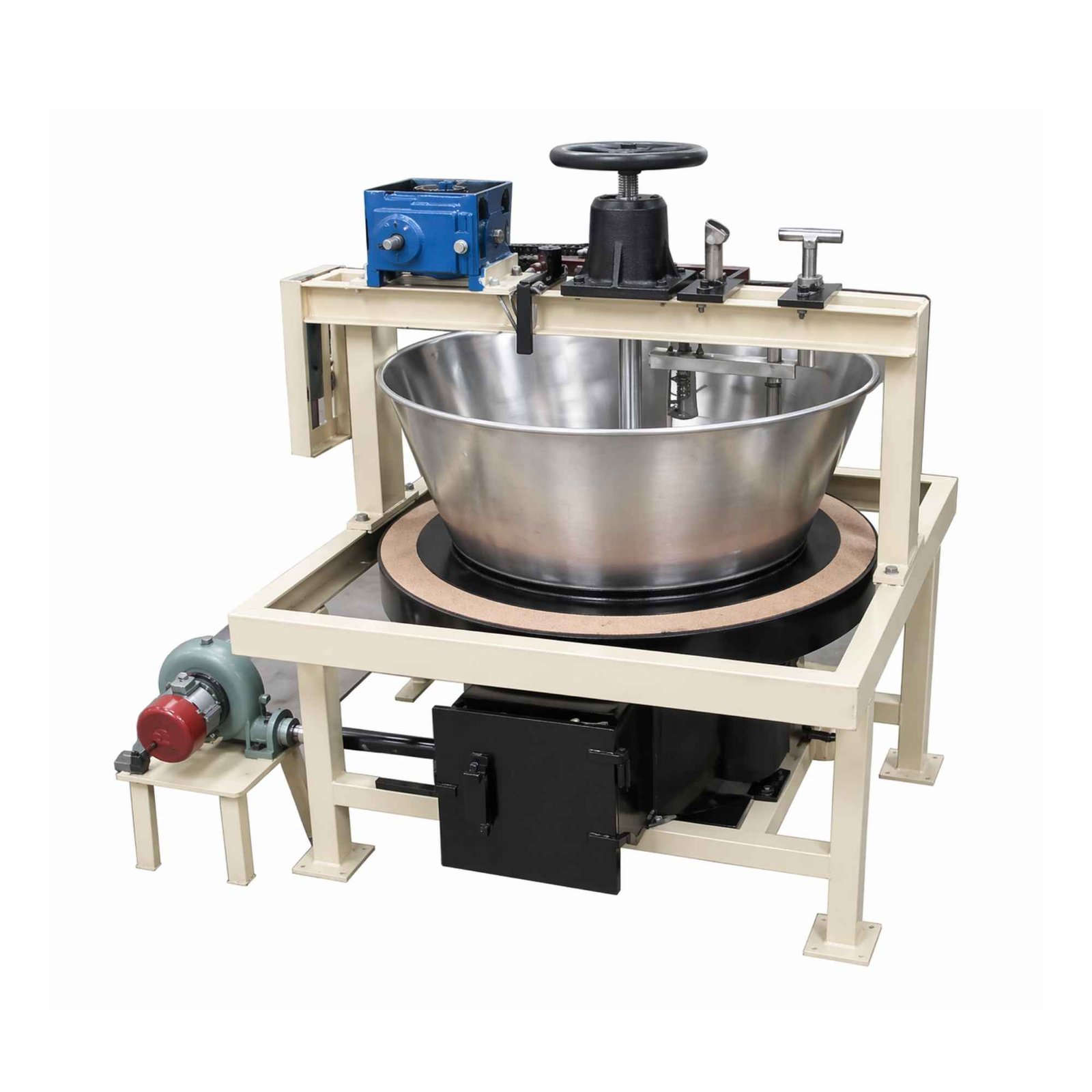

Description
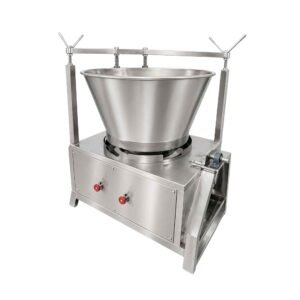
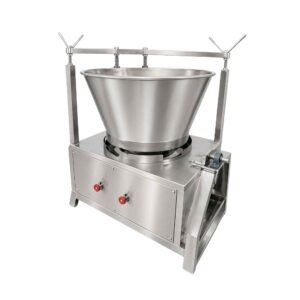
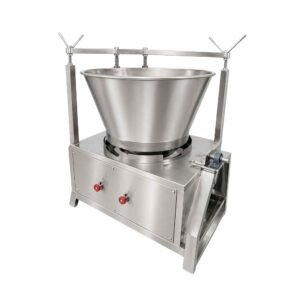
The Wood Fired Khoya Machine is made for sweet shops, mithai factories, dairy units and commercial kitchens that want to prepare khoya using wood as the main heating fuel.
It is a useful option for businesses where firewood is easily available and electric, gas or diesel heating is not the preferred choice.
The machine helps heat milk, remove moisture and prepare thick khoya or khoa for commercial sweet production.
Traditional Fuel, Commercial Khoya Production
Wood firing has been used for food heating for a long time.
A Wood Fired Khoya Machine brings this heating method into a dedicated commercial khoya-making setup.
It can be useful for businesses that want:
- Wood-based heating
- Regular khoya production
- Commercial milk processing
- Different machine capacities
- In-house khoya preparation
- Equipment for mithai production
- A setup suitable for locations where firewood is easily available
The exact machine design should be selected according to production size and factory conditions.
How Does a Wood Fired Khoya Machine Work?
The working process is simple.
Milk is added to the machine.
Wood is used as the fuel source for heating.
As the milk receives heat, water slowly starts to evaporate.
The milk becomes thicker with time.
Processing continues until the required khoya texture is reached.
The basic process is:
Milk Loading → Wood Heating → Moisture Reduction → Thickening → Khoya Formation → Collection
Actual working time can vary according to milk quantity, fire intensity, machine design and required khoya consistency.
Why Would a Business Choose Wood Firing?
Not every production unit has the same utility setup.
In some areas, firewood may be easier to arrange than other fuel sources.
A Commercial Wood Fired Khoya Machine can be useful when:
- Firewood is easily available
- Regular khoya production is needed
- The factory prefers a wood-based heating setup
- Electric infrastructure is limited
- A simple commercial heating solution is required
- The business wants to make khoya in-house
Fuel availability should always be considered before choosing the machine.
What Makes Wood Fired Khoya Machine Different?
All these machines are used for khoya production, but the fuel or power source is different.
The best choice depends on your factory location, available utilities and operating needs.
Wood Fired vs Gas Khoya Machine
A buyer should not choose only by machine price.
A Wood Fired Khoya Machine may suit a business where firewood is easily available.
A gas machine may be better where gas supply is easier to manage.
The right choice depends on:
- Fuel availability
- Local operating cost
- Production location
- Required machine capacity
- Daily working hours
- Factory infrastructure
Wood Fired vs Electric Khoya Machine
An electric machine depends mainly on electrical power.
A wood-fired model uses firewood as the main heat source.
For businesses in places with limited electrical infrastructure, a wood-fired option may be worth considering.
However, some machine parts may still use electricity depending on the model, so exact specifications should always be confirmed.
Important Things to Check Before Buying
Before ordering a Wood Fired Khoya Machine, ask the manufacturer for complete details.
Check:
- Machine capacity
- Firewood heating arrangement
- Machine material
- Furnace or heating chamber design
- Motor requirement
- Electrical requirement, if any
- Control system
- Product discharge method
- Installation space
- Ventilation requirement
- Cleaning method
- Maintenance needs
- Customization options
This helps you understand whether the machine fits your production area.
FAQs
Price depends on capacity, construction, heating design and customization.
Yes. The machine is used to heat milk and reduce moisture until thick khoya is prepared.
The suitable firewood depends on the machine heating design and local operating conditions. Confirm this with the manufacturer before use.
There is no fixed amount for every model. Wood use depends on machine capacity, batch size, heating design, fuel quality and working time.
Yes, it can be useful in locations where firewood is easily available, subject to proper installation and safe operating conditions.
Yes need electricity for motors or other components even though heating is wood-based.
Final output depends on milk fat, milk solids, moisture removal and the texture you need.

There are no reviews yet.