

Description
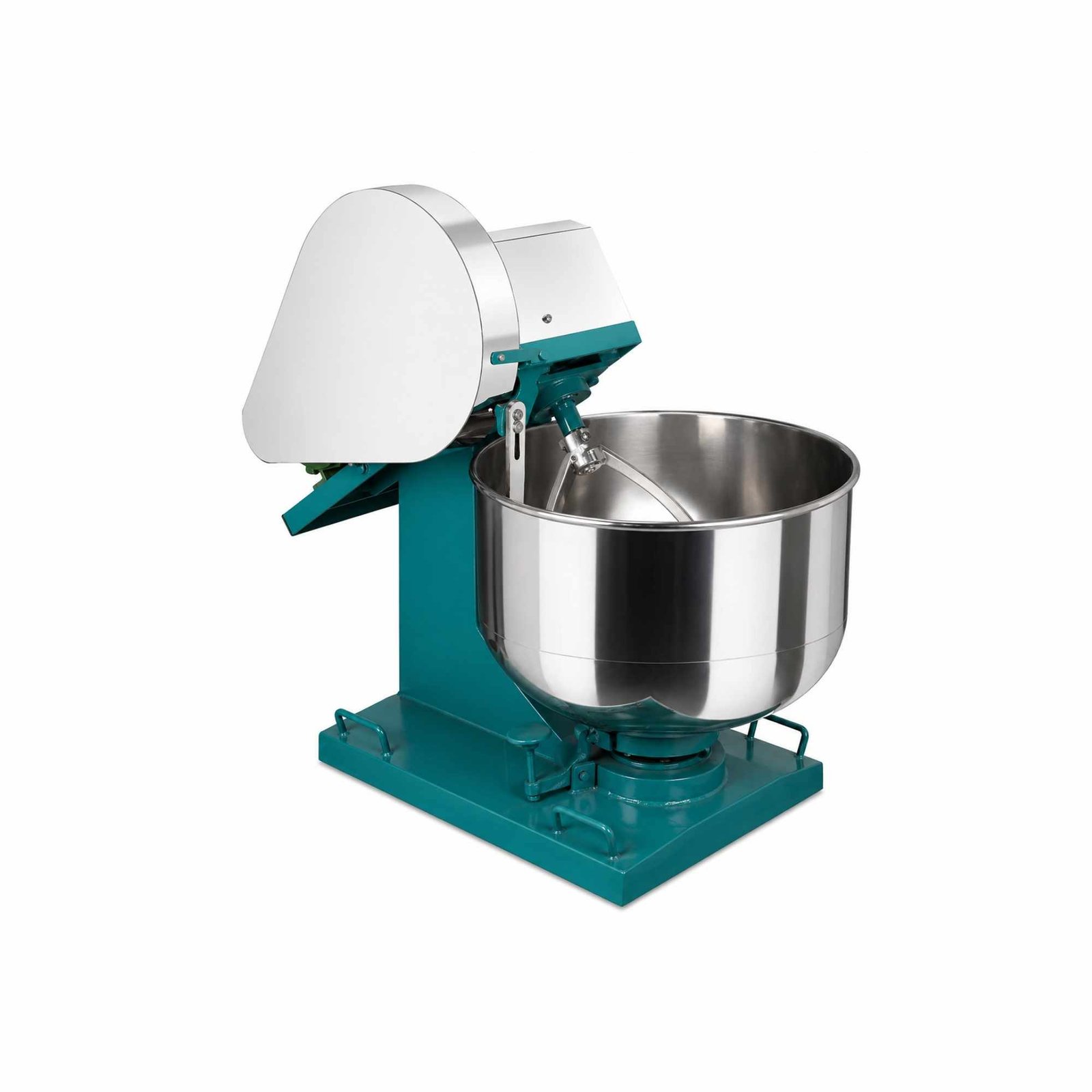
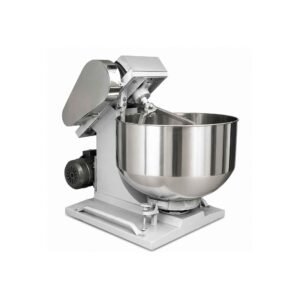
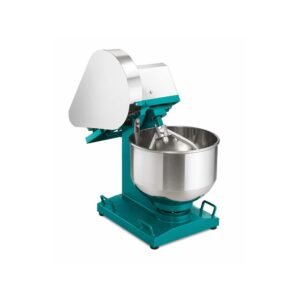
A Dough Kneader Machine 20 Kg is designed for bakeries, restaurants, pizza outlets, hotels, catering businesses and commercial kitchens that require regular dough preparation in larger batches. By using mechanical kneading instead of relying entirely on manual mixing, the machine can make repetitive dough preparation easier to manage and integrate into a structured production routine.
Its 20 Kg capacity makes it suitable for businesses that need more dough per batch than smaller-capacity kneaders can provide.
A Useful Step Between Small and Industrial Production
For a growing food business, dough requirements can increase as the menu expands or customer demand rises. A 20 Kg kneader can provide a practical batch-processing option without necessarily moving to a much larger industrial dough-processing system.
The machine can be used to prepare batches according to the day’s production schedule. After kneading, the dough can move to the next stages, such as resting, dividing, rounding, shaping or baking.
How the Kneading Process Works
The required ingredients are placed into the machine’s working bowl according to the recipe. The mechanical kneading assembly then works the mixture, helping combine the ingredients and develop the dough.
The required kneading cycle is not identical for every recipe. Flour type, water quantity, dough consistency and the intended final product can all affect the process. Operators should therefore use the manufacturer’s recommended procedure together with their recipe requirements.
20 Kg Capacity for Regular Commercial Batches
The 20 Kg rating can be useful for businesses that prepare multiple dough products during the day. It provides a larger batch size for operations where smaller kneaders would require more frequent cycles.
However, buyers should carefully check how the manufacturer defines the 20 Kg capacity. It may refer to maximum dough capacity rather than the amount of flour that can be loaded into the machine. The recommended working load should always be confirmed before purchase.
Suitable for Bakery and Restaurant Doughs
A 20 Kg dough kneader can support a variety of dough-based preparations when the selected machine is appropriate for the recipe. Common applications include:
- Bread dough
- Pizza dough
- Bun and roll dough
- Naan dough
- Roti and chapati dough
- Paratha dough
- Bakery dough
- Other suitable food preparations
Different doughs place different demands on kneading equipment, so the machine should be selected according to the actual products being prepared.
Useful for Pizza and Bakery Production
Pizza businesses can use a suitable 20 Kg kneader as part of their dough preparation workflow before portioning and shaping pizza bases. Bakeries can use it for recurring bread and bun batches, while restaurants can incorporate it into their preparation routine for Indian breads.
For catering operations, the machine can also provide a dedicated place for preparing dough before other production activities begin.
Less Dependence on Manual Kneading
Manual dough kneading can become physically demanding when several batches are required. Mechanical kneading transfers the repetitive mixing action to the machine, allowing staff to concentrate on other preparation tasks.
The operator still plays an important role in measuring ingredients, monitoring dough development and determining when the dough is ready for the next production stage. The machine supports the process rather than replacing recipe control.
Built Around a Dedicated Dough-Preparation Area
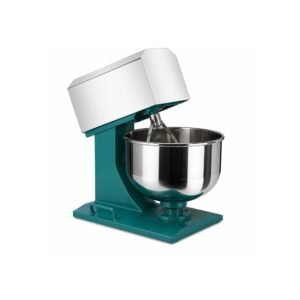
Commercial dough kneaders generally combine a working bowl with a mechanical kneading assembly, drive system and supporting structure. The operating controls depend on the particular machine design.
Features such as bowl construction, kneading-tool configuration, motor arrangement, control system and electrical requirements can differ between models. These details should be confirmed from the exact machine specification before ordering.
Where Can a 20 Kg Dough Kneader Be Used?
This equipment can be incorporated into:
- Commercial bakeries
- Pizza outlets
- Restaurants
- Hotels
- Catering units
- Cloud kitchens
- Cafés
- Institutional kitchens
- Snack-production businesses
- Food-service facilities
It can be particularly useful for operations that prepare dough in batches throughout the working day.
Choosing a Machine Around Your Production Needs
Before selecting a Dough Kneader Machine 20 Kg, businesses should evaluate the type of dough they prepare, required batch frequency, actual working load, available floor or counter space, electrical supply and daily production schedule.
Another crucial factor is the dough’s consistency. A machine used mainly for soft bakery dough may have different requirements from one expected to handle heavier or firmer dough.
Buyers should also confirm the manufacturer’s recommended flour quantity, maximum dough load and operating cycle. These factors provide a clearer picture of how the machine will perform in the intended production environment.
A Practical Choice for Growing Dough Production
The Dough Kneader Machine 20 Kg provides a useful batch-kneading solution for businesses with regular and increasing dough requirements. Its larger capacity can reduce the need for frequent small batches while keeping dough preparation organized.
For bakeries, pizza outlets, restaurants, hotels and catering businesses, it can serve as an important preparation-stage machine, helping move dough production from repetitive manual work toward a more structured commercial workflow.
FAQs
It is used for mechanical mixing and kneading of dough for bakery, pizza, restaurant and other commercial food applications.
Yes, a suitable model can be used for bread dough preparation according to the machine's recommended working range.
Yes. It can be incorporated into the dough preparation stage before pizza dough is portioned, rested and shaped.
A suitable machine can be used for these preparations when its kneading mechanism and operating range are appropriate for the dough.
Not necessarily. The stated capacity may refer to dough rather than flour. The exact loading recommendation should be confirmed with the manufacturer.

There are no reviews yet.