
Description
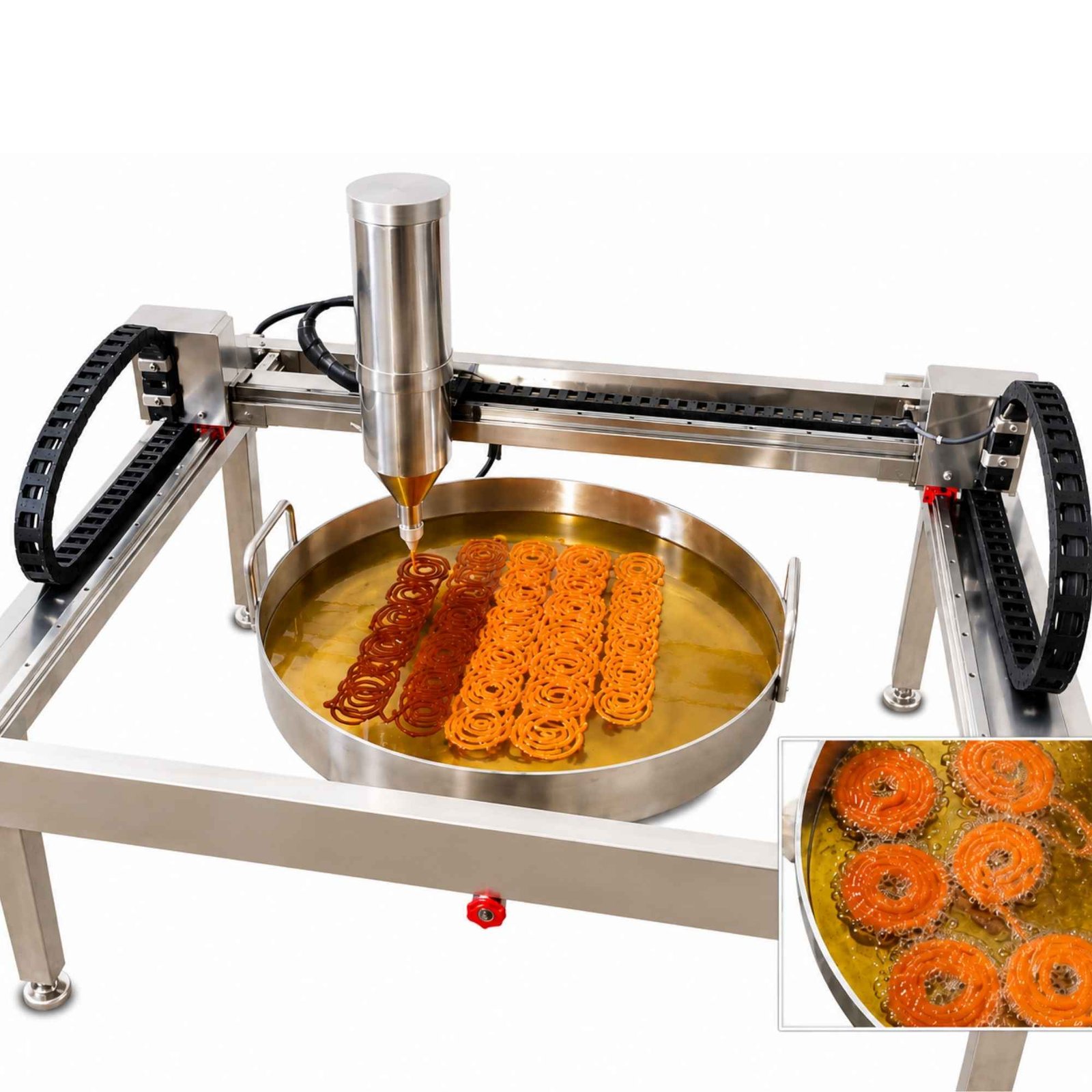
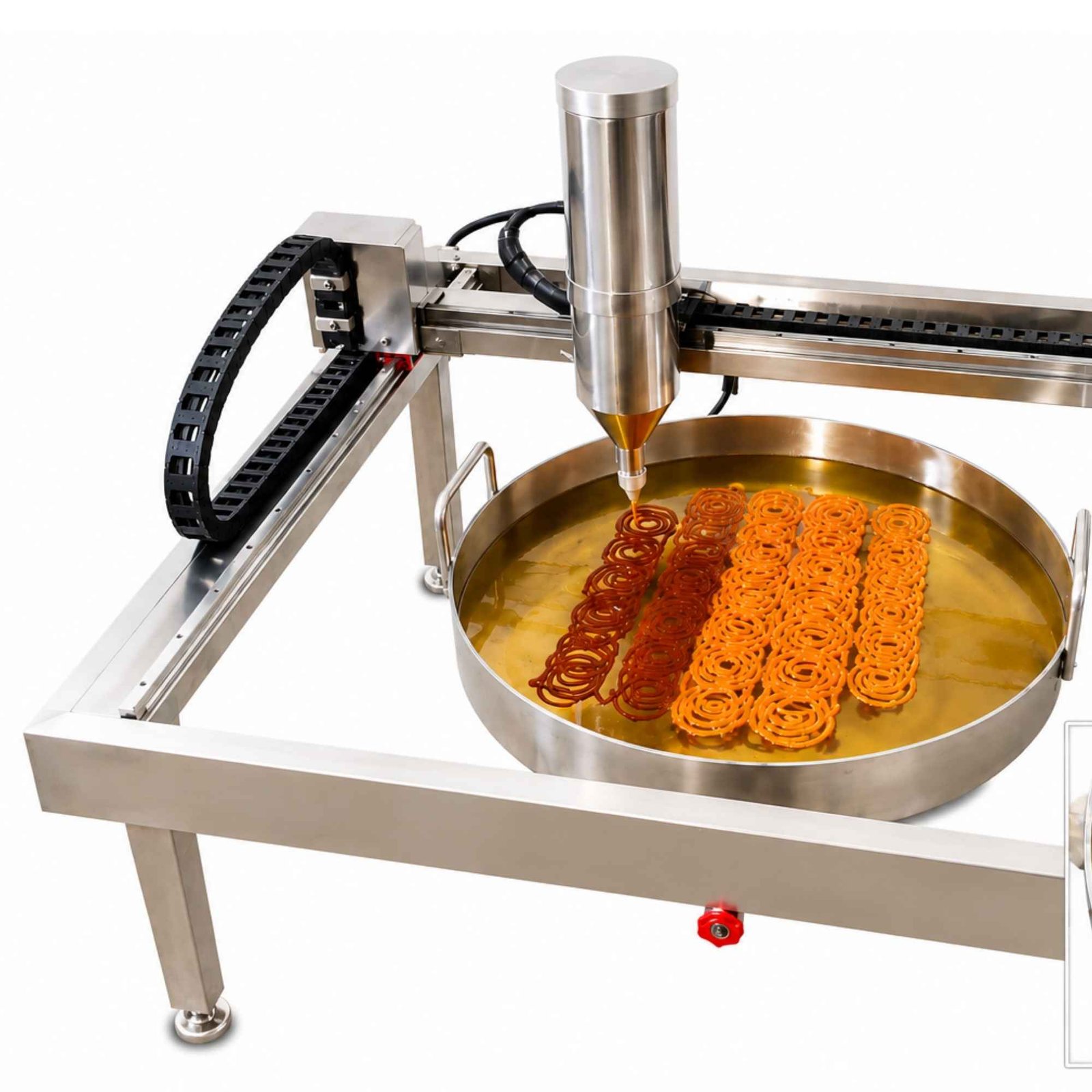
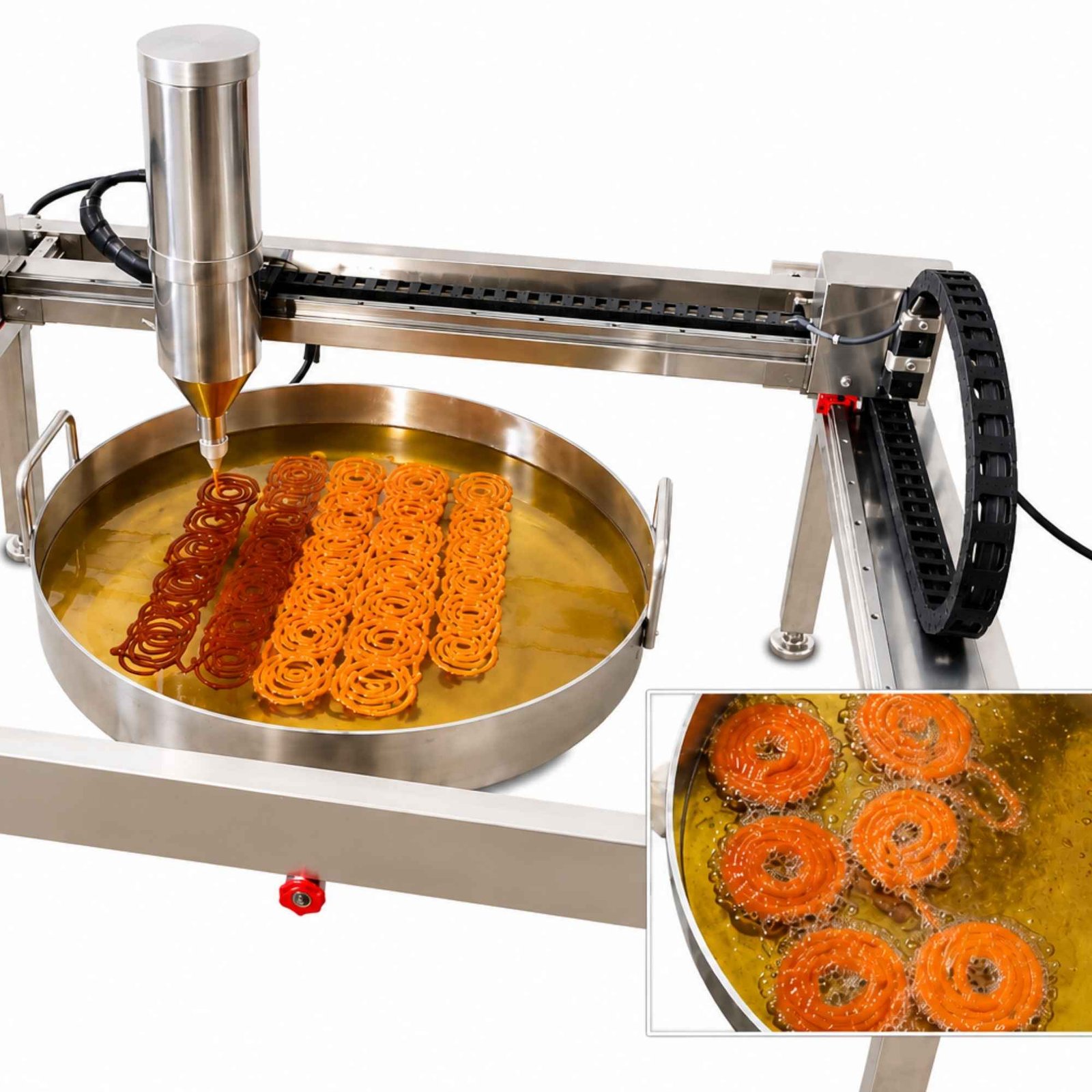
Jalebi production requires proper batter handling, controlled shaping, frying, and sugar syrup dipping to achieve the familiar spiral appearance and crisp texture. For businesses that want to reduce repetitive manual work without moving completely to an automated production system, a Semi Automatic Jalebi Making Machine can provide a practical middle-ground solution. It combines machine-assisted batter depositing with operator involvement during the production process.
This type of machine can be suitable for sweet shops, halwai businesses, bakeries, restaurants, catering operations, and small to medium-scale commercial sweet manufacturers. It helps organize jalebi preparation while allowing the operator to remain involved in important stages of production.
A Balanced Approach to Jalebi Production
A semi-automatic machine is designed to simplify the batter-depositing stage while keeping certain operations under the control of the operator. This makes it different from both completely manual preparation and fully automatic production systems.
The machine assists with the controlled release of batter so that the operator does not have to manually shape every jalebi. At the same time, the operator can supervise the frying process, product movement, and other steps according to the production setup.
This approach can be useful for businesses that want greater consistency and easier operation but still prefer a flexible production process.
How Semi Automatic Operation Works
The process starts with properly prepared jalebi batter. The batter is placed into the machine’s feeding or holding section. The dispensing mechanism then helps deliver the batter through the outlet in a controlled manner.
The operator manages the machine and coordinates batter deposition with the frying area. Once the jalebi is formed and fried, it can be removed from the oil and transferred for sugar syrup dipping.
The semi-automatic arrangement therefore reduces repetitive shaping work while keeping the operator involved in the overall production cycle. The exact operating procedure depends on the machine configuration and manufacturer’s design.
Designed for Practical Commercial Use
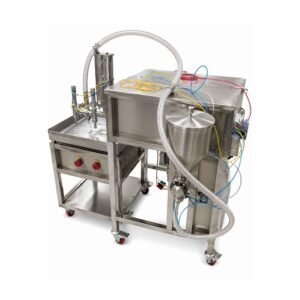
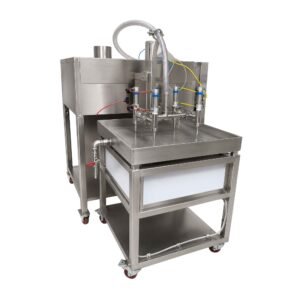
A Semi Automatic Jalebi Making Machine generally focuses on ease of operation and a straightforward production workflow. Its visible construction may include a batter holding section, dispensing arrangement, nozzle or outlet, supporting frame, and operating controls.
For commercial food production, equipment should also be practical to clean and maintain. Components involved in batter handling should be managed according to appropriate food hygiene practices.
Because the machine is semi-automatic, operators can supervise the process closely and make adjustments as required by the production environment. This can be helpful when businesses produce different batches or work with varying production requirements.
Benefits for Sweet-Making Businesses
Using a semi-automatic system can provide several practical advantages over completely manual jalebi preparation:
- Reduces repetitive manual batter depositing
- Helps create a more organized production process
- Supports consistent jalebi formation
- Allows operator control during production
- Can simplify continuous batch preparation
- Makes better use of operator time
- Suitable for businesses transitioning from manual production
- Can fit into different commercial sweet-making workflows
The combination of machine assistance and operator control makes this type of equipment useful for businesses that want to improve their production process without completely removing manual supervision.
Suitable Applications
The machine can be used in a range of businesses where jalebi is prepared regularly. Sweet shops and traditional halwai businesses can use it for daily retail production, while bakeries and restaurants can incorporate it into their dessert preparation area.
Catering businesses may also benefit when preparing jalebi for events, functions, and bulk orders. Commercial confectionery units can use semi-automatic equipment as part of a broader production setup.
Its suitability ultimately depends on the business’s production requirements, available space, workflow, and desired level of automation.
Important Factors When Selecting the Machine
Before purchasing a Semi Automatic Jalebi Making Machine, buyers should evaluate how the equipment will fit into their existing production process. Important considerations include the batter feeding arrangement, dispensing mechanism, ease of operation, cleaning requirements, machine construction, available workspace, and operator involvement.
The frying arrangement should also be considered because the machine needs to work effectively alongside the cooking stage. Businesses should understand how batter is loaded, how depositing is controlled, and how the machine is cleaned after production.
Selecting equipment according to actual business requirements can make the transition from manual preparation to machine-assisted production more practical.
An Efficient Middle Ground for Jalebi Production
A Semi Automatic Jalebi Making Machine offers a practical combination of machine assistance and human control. It can help businesses reduce repetitive manual batter-shaping work while maintaining flexibility during production.
For sweet manufacturers that are moving toward a more organized production system, this type of machine can provide a useful step between traditional manual preparation and complete automation. The most suitable configuration should be selected according to the business’s production workflow, operating requirements, cleaning practices, and desired level of automation.
FAQs
It is a machine-assisted system designed to help deposit jalebi batter while allowing the operator to control and supervise important parts of the production process.
achine is commercial food-processing equipment designed to assist in concentrating milk and preparing khoya/khoa for sweet and dairy production.
A semi-automatic machine requires more operator involvement, while a fully automatic system is designed to automate a larger portion of the production process.
Yes. It reduces the repetitive task of manually depositing and shaping batter while retaining operator control.
Sweet shops, halwai businesses, bakeries, restaurants, catering companies, and commercial sweet manufacturers can consider this equipment.
Yes. Operator involvement is an important part of semi-automatic operation, particularly for supervising batter depositing and coordinating the frying process.



There are no reviews yet.