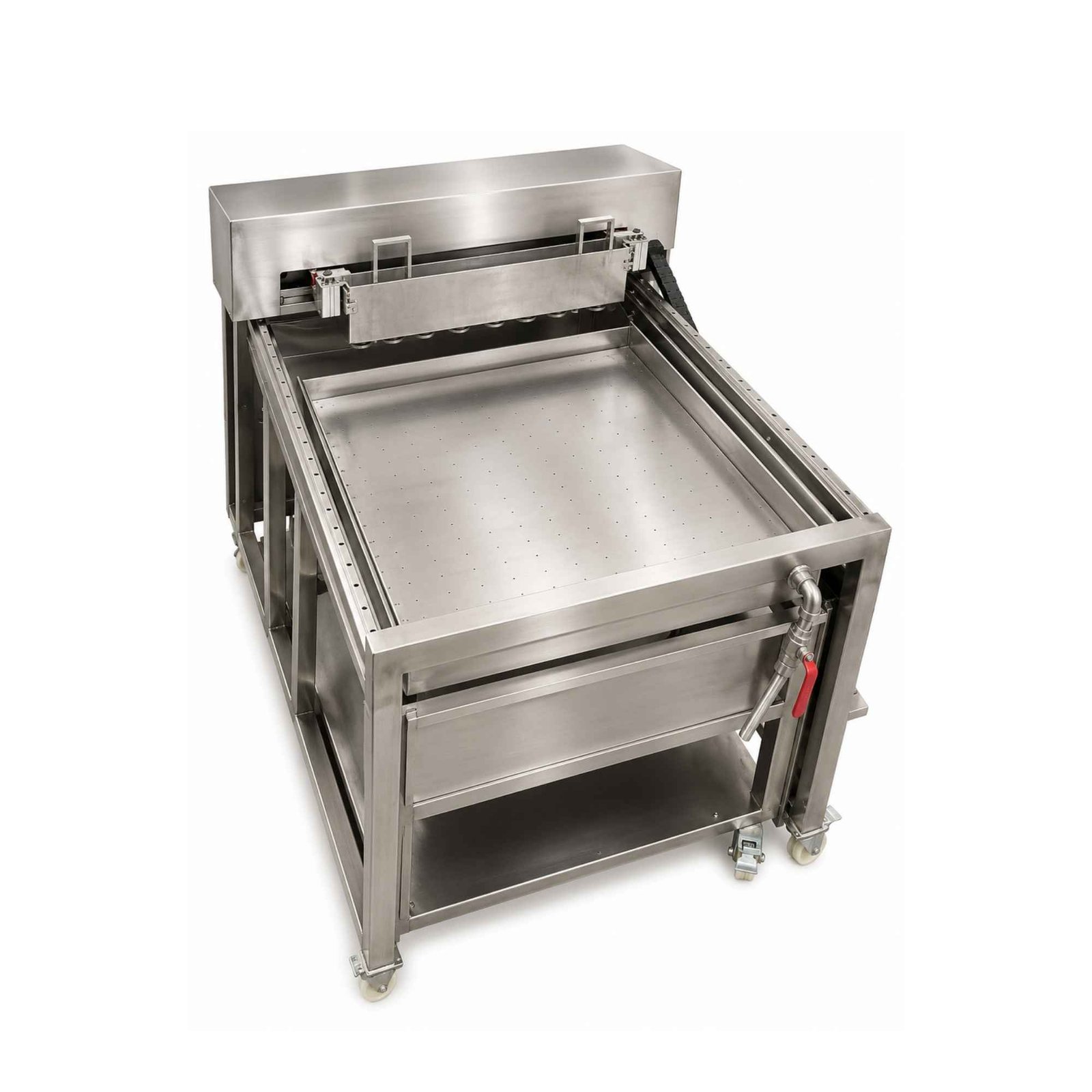

Description
Jalebi is a popular Indian sweet prepared by shaping fermented or prepared batter into circular patterns, frying it, and soaking it in sugar syrup. For commercial sweet manufacturers, creating a large quantity of jalebi manually can be time-consuming and difficult to maintain consistently. An Automatic Jalebi Making Machine provides a more organized solution by automating the batter depositing and shaping stage of production.
The machine is suitable for businesses that need regular jalebi production and want to reduce repetitive manual operations. It can be used in sweet shops, halwai units, bakeries, restaurants, catering businesses, and commercial confectionery production facilities.
Automated Batter Depositing for Faster Production
The key function of an Automatic Jalebi Making Machine is to control and automate the movement of jalebi batter. Instead of an operator manually squeezing or pouring batter to create each spiral, the machine is designed to deliver batter through a controlled dispensing arrangement.
This helps create a more systematic production process. Consistent batter deposition can also support a more uniform appearance across batches, which is useful when jalebi is being prepared for retail sales, bulk orders, festivals, or catering requirements.
Automation is particularly valuable when the same production activity needs to be repeated continuously throughout the working day.
From Batter Preparation to Finished Jalebi
The production process begins with properly prepared jalebi batter. The batter is introduced into the machine’s designated holding or feeding section. The automatic mechanism then controls the movement of batter toward the depositing outlet.
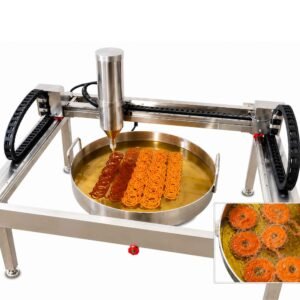
The batter is deposited into the frying area in the characteristic jalebi pattern. Once fried to the required level, the jalebi is removed from the oil and transferred for syrup dipping. After absorbing the sugar syrup, it can be drained, cooled, displayed, or packed according to the business workflow.
By automating the shaping stage, the machine helps connect batter handling with the frying process in a more organized manner.
Built Around a Practical Commercial Workflow
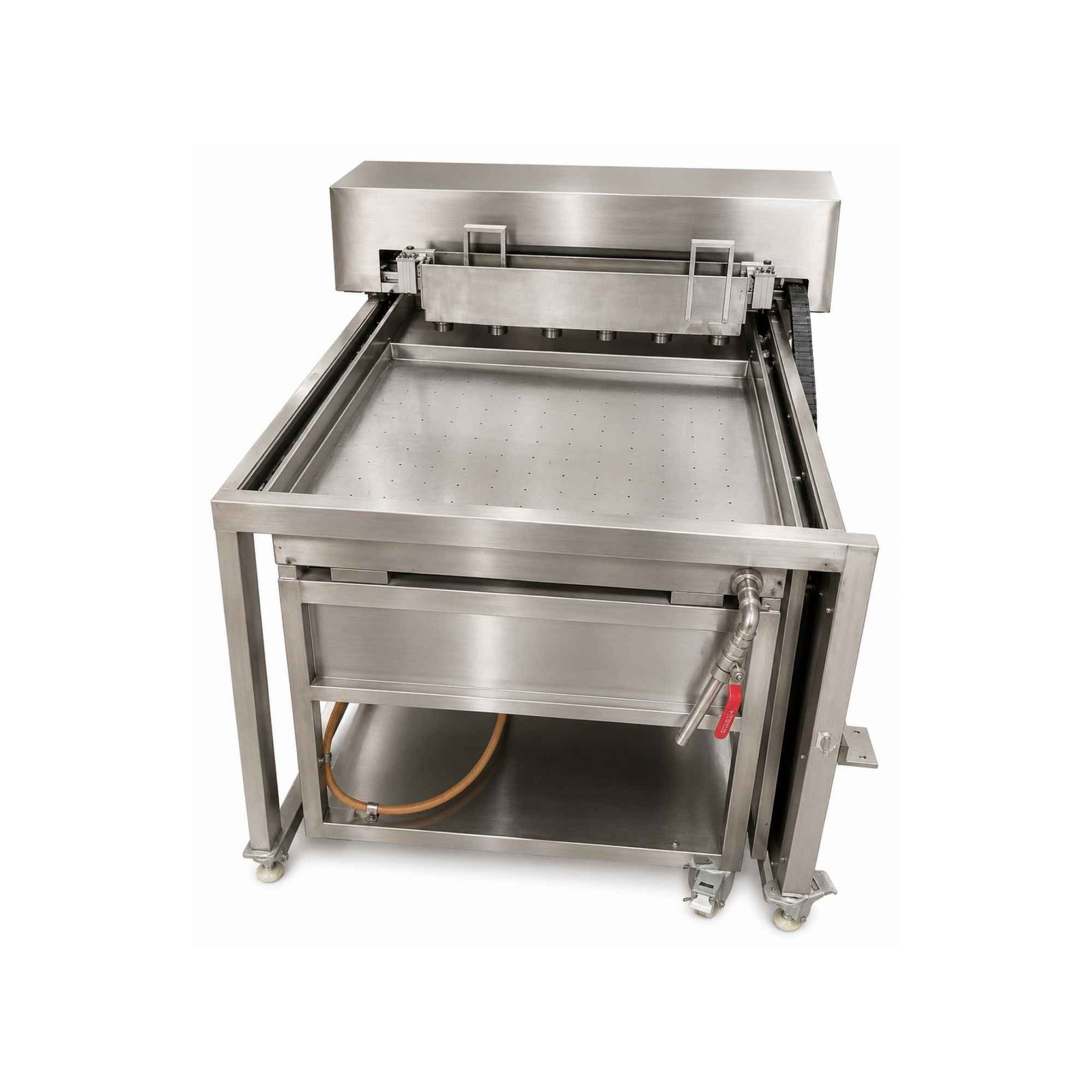
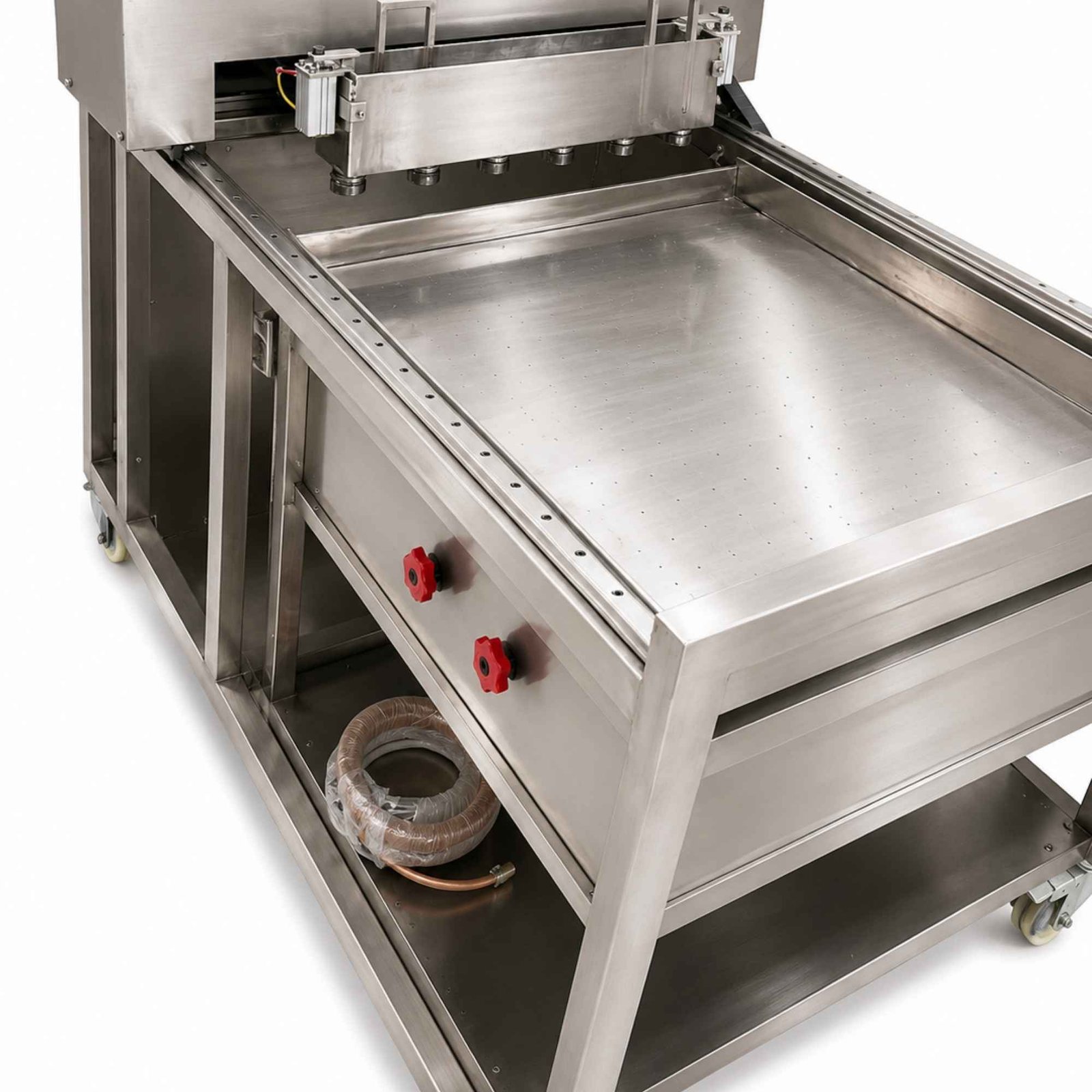
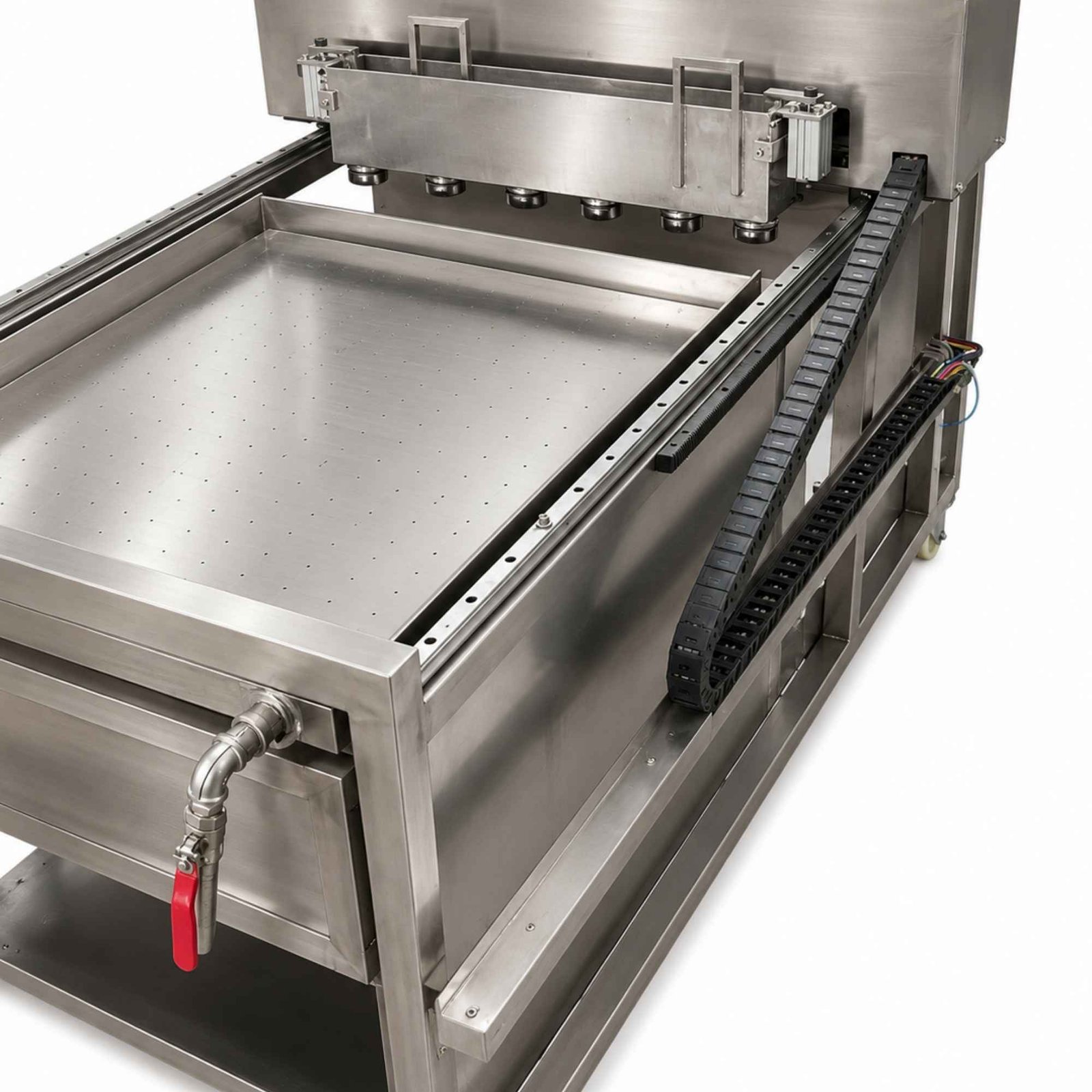
An Automatic Jalebi Making Machine is designed to simplify one of the repetitive stages of traditional jalebi production. Its overall construction may include a batter holding section, controlled dispensing mechanism, outlet or nozzle arrangement, supporting structure, and operating controls.
For food businesses, practical machine design is important because equipment needs to fit into daily production routines. Easy access to relevant components can make cleaning and routine handling more manageable.
The machine should be operated according to the manufacturer’s instructions, particularly when preparing the batter, adjusting the depositing process, and integrating the equipment with the frying setup.
Why Automation Matters for Jalebi Manufacturers
Automation can change the way a commercial sweet business manages jalebi production. Instead of depending entirely on an operator’s hand movement for every piece, the depositing stage is handled through a controlled mechanism.
Some practical advantages include:
- Reduced repetitive manual batter depositing
- More organized production workflow
- Consistent formation of jalebi patterns
- Easier handling during continuous production
- Better use of operator time
- Suitable for regular commercial production
- Improved production consistency between batches
These benefits can be especially useful for businesses dealing with high customer demand or frequent bulk orders.
Applications Across Different Food Businesses
The Automatic Jalebi Making Machine can be incorporated into several commercial food-production environments. Traditional sweet shops can use it for regular retail production, while larger sweet manufacturers can integrate it into their broader processing workflow.
It can also be useful for bakeries and restaurants offering Indian desserts, catering businesses preparing sweets for events, and food businesses producing jalebi for wholesale distribution.
During festivals and special occasions, when demand for traditional sweets can increase, having a dedicated machine can help businesses organize their production activities more efficiently.
What to Consider Before Purchasing
Choosing an automatic machine should begin with the actual requirements of the business. Buyers should consider their expected production volume, available workspace, batter preparation method, frying arrangement, cleaning process, operator requirements, and the way the machine will connect with the rest of the production line.
The dispensing mechanism is particularly important because it directly affects how the batter is delivered into the frying area. Buyers should also understand the machine’s operating procedure and maintenance requirements before making a purchase.
A machine that fits naturally into the existing workflow can make day-to-day production easier to manage.
A Modern Approach to Traditional Jalebi Production
An Automatic Jalebi Making Machine combines the traditional jalebi-making process with a more controlled and organized method of batter depositing. By automating a repetitive production stage, it can help commercial food businesses manage regular production while reducing dependence on continuous manual shaping.
For sweet manufacturers looking to improve their production workflow, this type of equipment can become an important part of a dedicated jalebi-making setup. The right machine should be selected according to production requirements, available space, operating method, cleaning needs, and compatibility with the frying and syrup-dipping process.
FAQs
It is a commercial food-processing machine designed to automate the controlled depositing of jalebi batter during the jalebi-making process.
Prepared batter is placed into the machine's feeding or holding section, after which an automatic dispensing mechanism delivers the batter into the frying area in a controlled pattern.
Yes. The machine automates the repetitive batter-depositing stage, reducing the amount of continuous manual shaping required.
It can be used by sweet shops, halwai businesses, bakeries, restaurants, catering companies, and commercial sweet manufacturers.
Yes. Its purpose is to support organized and repeatable jalebi production for commercial food businesses.


There are no reviews yet.