

Description
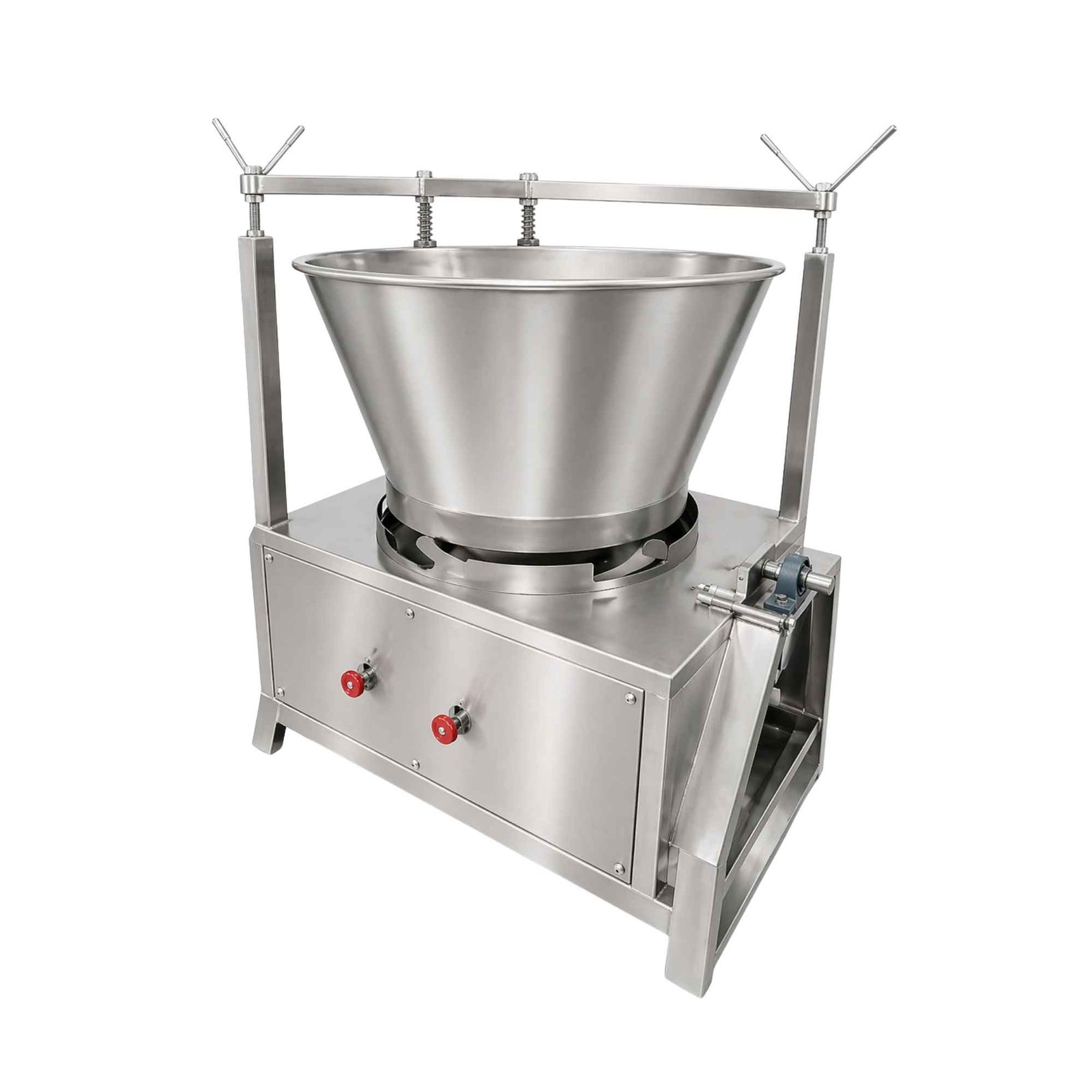
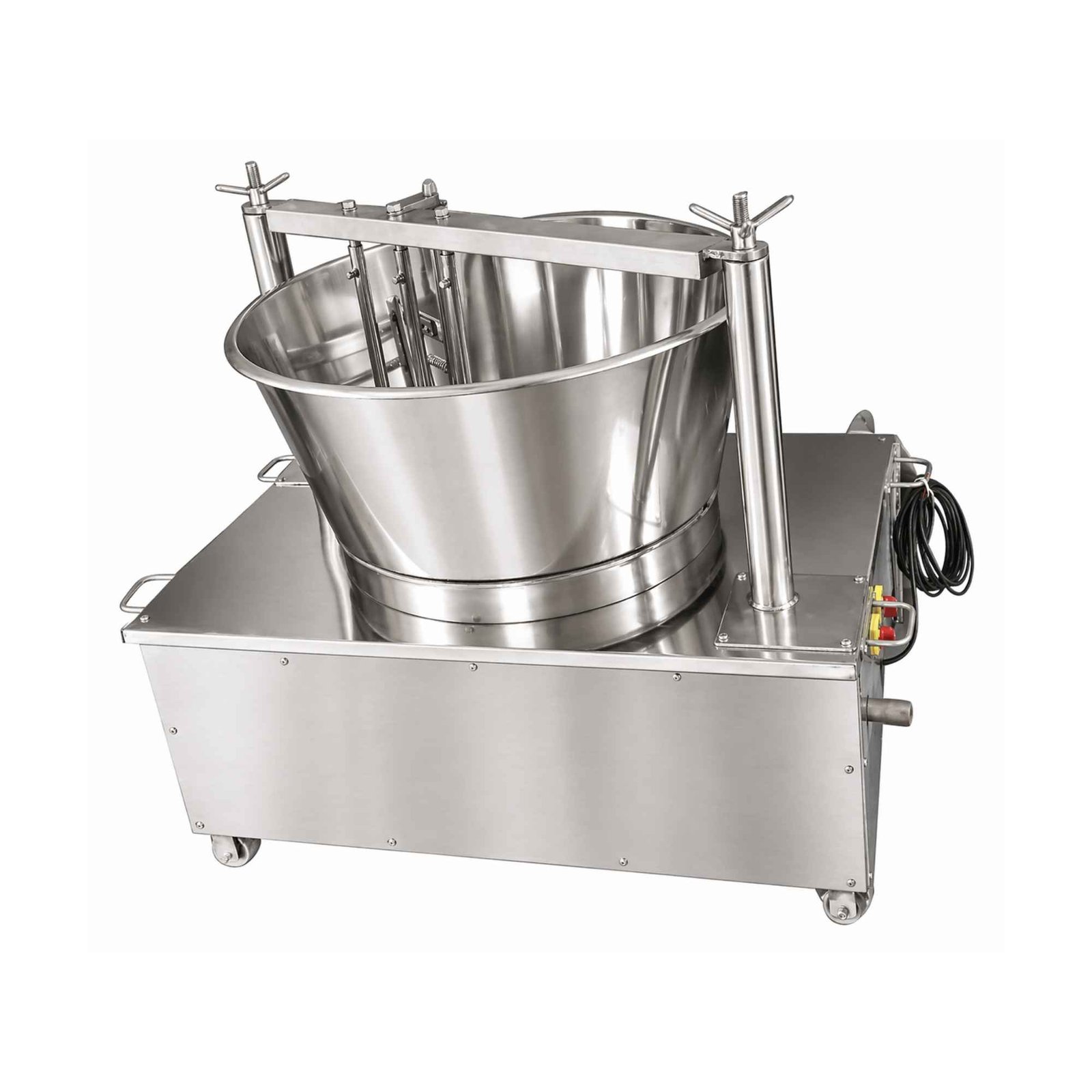
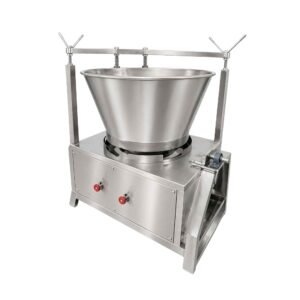
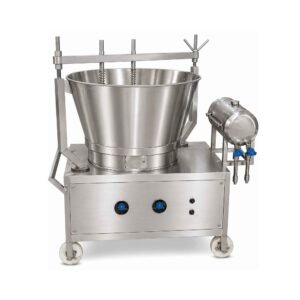
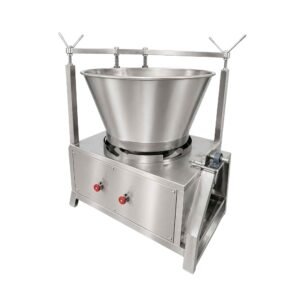
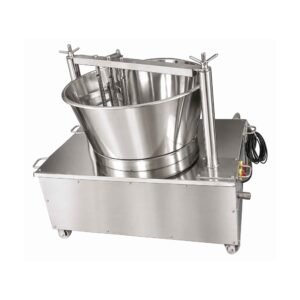
A Mawa Making Machine gives commercial sweet and dairy businesses a better way to prepare mawa from milk in regular production batches.
Fresh mawa is the base of many popular Indian sweets. When a sweet shop or mithai factory needs mawa every day, preparing it in small traditional batches can become slow and difficult to manage.
The machine helps heat milk, reduce its moisture and bring it to the thick texture needed for mawa production. It can be used by sweet shops, dairy units, catering kitchens and larger mithai factories.
What Is a Mawa Making Machine?
A Mawa Making Machine is food-processing equipment used to turn milk into thick mawa by heating it and reducing moisture.
The process is simple:
Milk → Heating → Moisture Reduction → Thickening → Mawa
As water slowly leaves the milk, the product becomes thicker.
Processing continues until the required mawa texture is reached.
The exact working method can vary according to machine design and heating system.
Why Mawa Is Important for Sweet Manufacturing
Mawa is used in many Indian sweets.
A good mawa production setup can therefore support more than one product line.
Mawa prepared in the machine can be used for:
- Peda
- Barfi
- Gulab Jamun
- Kalakand
- Gujiya
- Mawa Laddoo
- Milk Cake
- Mawa sweets
- Other traditional mithai
For a commercial sweet manufacturer, one Mawa Production Machine can support several recipes.
Who Can Use a Mawa Making Machine?
Sweet Shops
Useful for shops that need fresh mawa for daily mithai production.
Mithai Factories
Suitable for larger businesses where mawa is required in regular quantities.
Dairy Units
Dairy businesses can process milk into mawa for direct sale or further food production.
Bulk Mawa Suppliers
Manufacturers can produce mawa for supply to sweet shops, restaurants and other buyers.
Catering Businesses
Commercial kitchens can use a suitable machine when preparing large sweet orders.
Central Production Kitchens
Businesses with several branches can prepare mawa from one central facility.
How Does a Mawa Making Machine Work?
The machine follows a milk concentration process.
First, milk is added according to the machine’s usable capacity.
Heat is then applied.
As milk continues to heat, moisture starts to reduce.
The product slowly becomes thick.
When it reaches the required texture, the mawa is collected for further use.
Simple Working Flow
Milk Loading → Heating → Water Reduction → Thickening → Mawa Formation → Collection
Processing time can change depending on milk quantity, milk quality, machine setup and desired texture.
Mawa Making Machine Price
The Mawa Making Machine price depends on the selected capacity and machine configuration.
Price can change based on:
- Capacity
- Heating method
- Machine construction
- Motor configuration
- Automation
- Control system
- Product handling design
- Additional features
- Custom requirements
For the correct quotation, buyers should share their daily milk quantity and production need.
FAQs
Mawa and khoya are commonly used names for the same or very similar concentrated milk product. The name used can vary by region and market.
That depends on the selected model. Ask the manufacturer for the actual usable capacity before ordering.
There is no fixed quantity for every batch. Final output depends on milk fat, milk solids, moisture reduction and the texture you want.
Yes. The prepared mawa can be used for Gulab Jamun depending on your recipe.
Yes. Mawa is widely used in Peda, Barfi and many other Indian sweets.
Different machine configurations may be available. Ask the manufacturer which heating options are offered for your required capacity.
Price depends on capacity, heating setup, machine construction, automation and custom features.

There are no reviews yet.