
Description
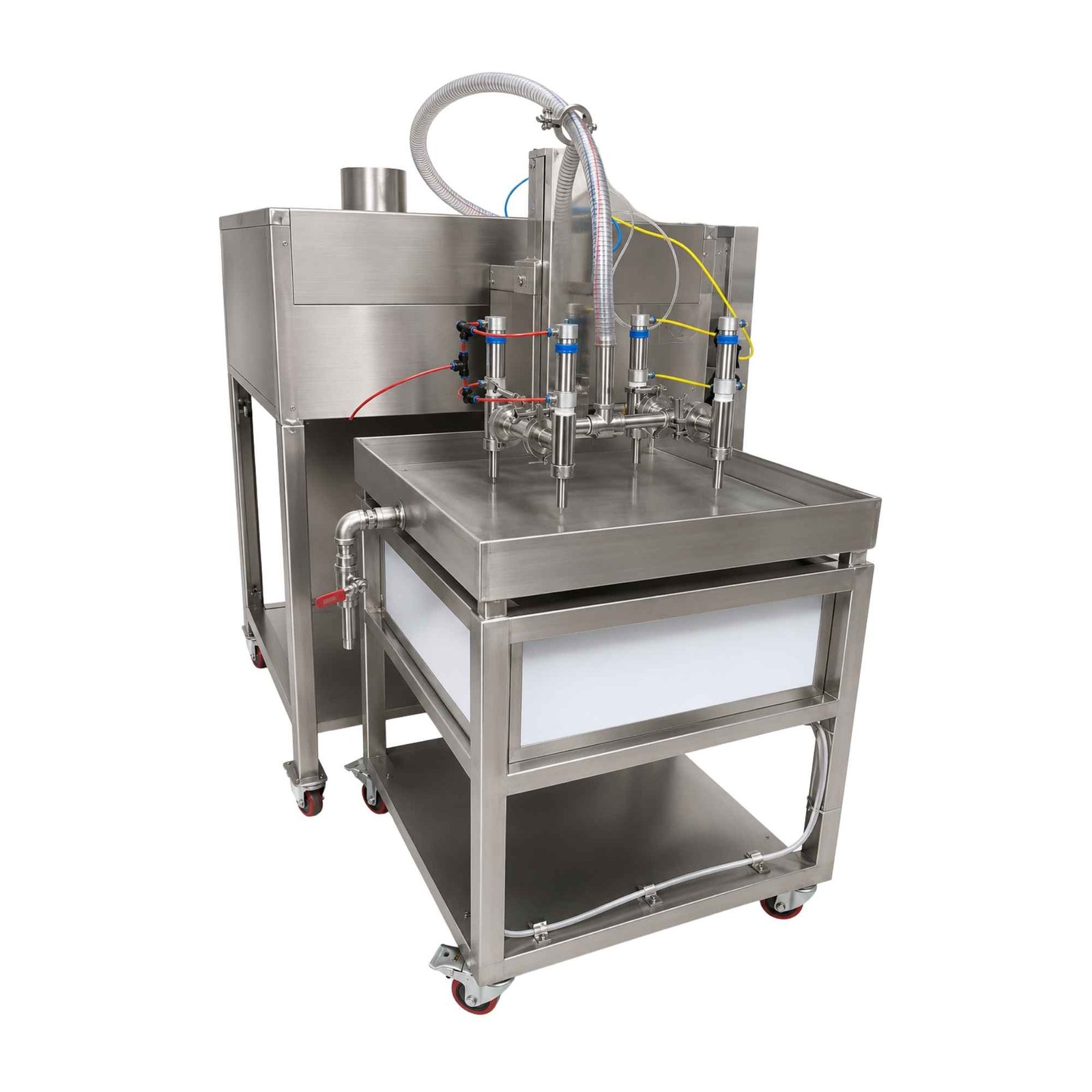
Jalebi is a popular traditional sweet that requires controlled batter depositing to create its distinctive spiral shape before frying and dipping in sugar syrup. As production requirements grow, manually shaping every jalebi can increase repetitive work and make it harder to maintain a consistent production flow. A 4 Nozzle Jalebi Making Machine provides a multi-outlet solution designed to assist commercial businesses with the batter-depositing stage.
With four dispensing nozzles, the machine provides multiple batter outlets within the same operating arrangement. This can help organize production where a higher level of machine-assisted depositing is required. It is suitable for sweet shops, halwai businesses, bakeries, restaurants, catering operations, and commercial sweet-production units.
Four Nozzles for a More Productive Depositing Process
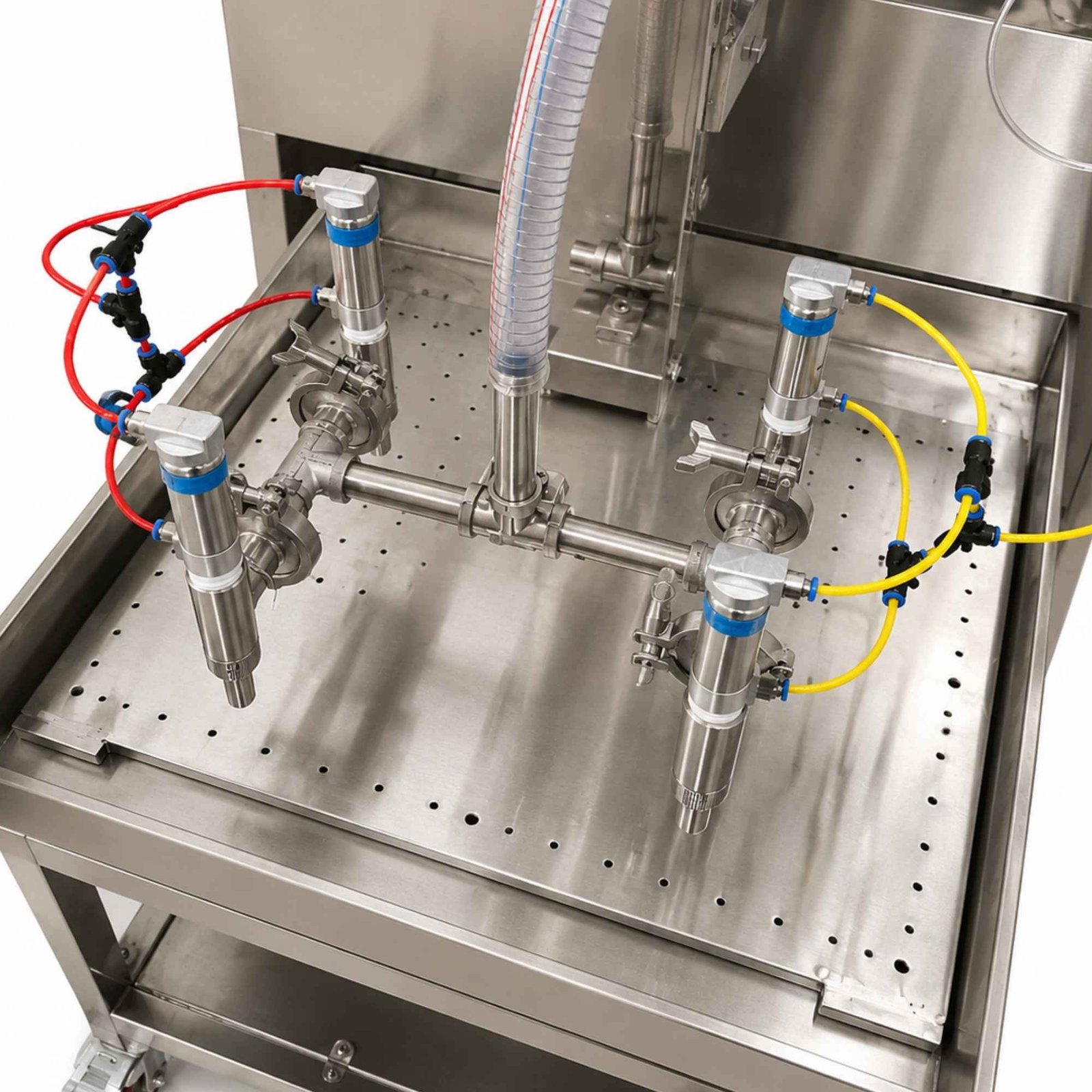
The primary feature of this machine is its four-nozzle configuration. Prepared jalebi batter is supplied to the dispensing system and delivered through four outlets into the frying area.
Multiple nozzles allow the operator to work with several depositing points as part of the same production process. This can make the batter-shaping stage more organized compared with single- or limited-outlet systems, depending on the machine’s operating arrangement.
The operator can supervise batter flow and coordinate the depositing process with the frying area. This combination of machine assistance and operator control helps maintain a practical workflow for commercial jalebi production.
How the Machine Fits Into Jalebi Preparation
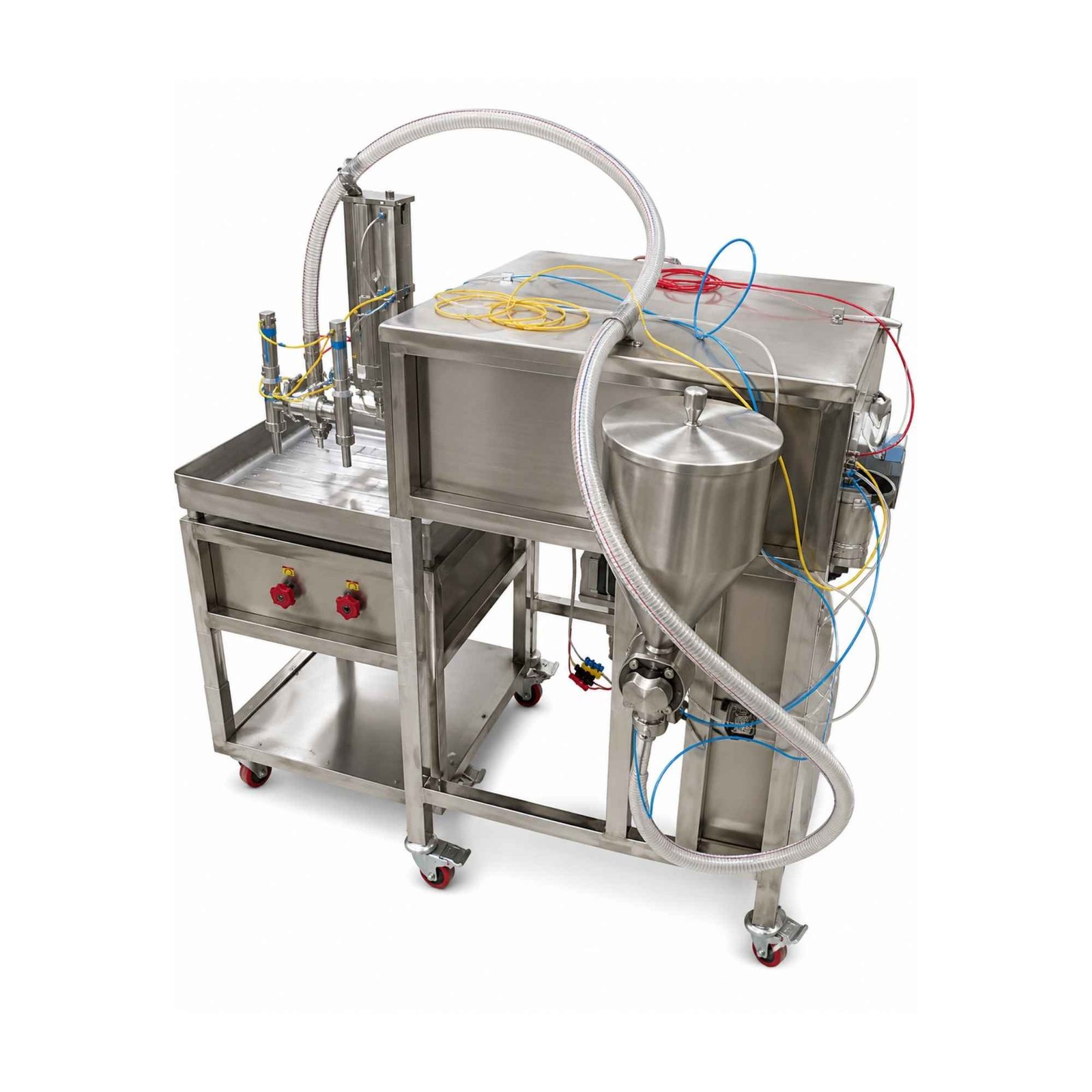
Jalebi production begins with properly prepared batter. Once the batter reaches the required consistency, it is transferred into the machine’s batter holding or feeding section.
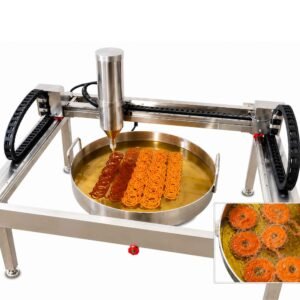
During operation, batter moves toward the four dispensing nozzles. The outlets release the batter into the frying area while the operator manages the depositing pattern. The batter forms the familiar jalebi spirals as it enters the hot oil.
After frying, the jalebi is removed and transferred to prepared sugar syrup. Once it has absorbed the syrup, it can be drained and moved for serving, display, or packaging.
The machine therefore focuses primarily on the batter-depositing stage while the operator continues to coordinate the broader production process.
Practical Construction for Commercial Kitchens
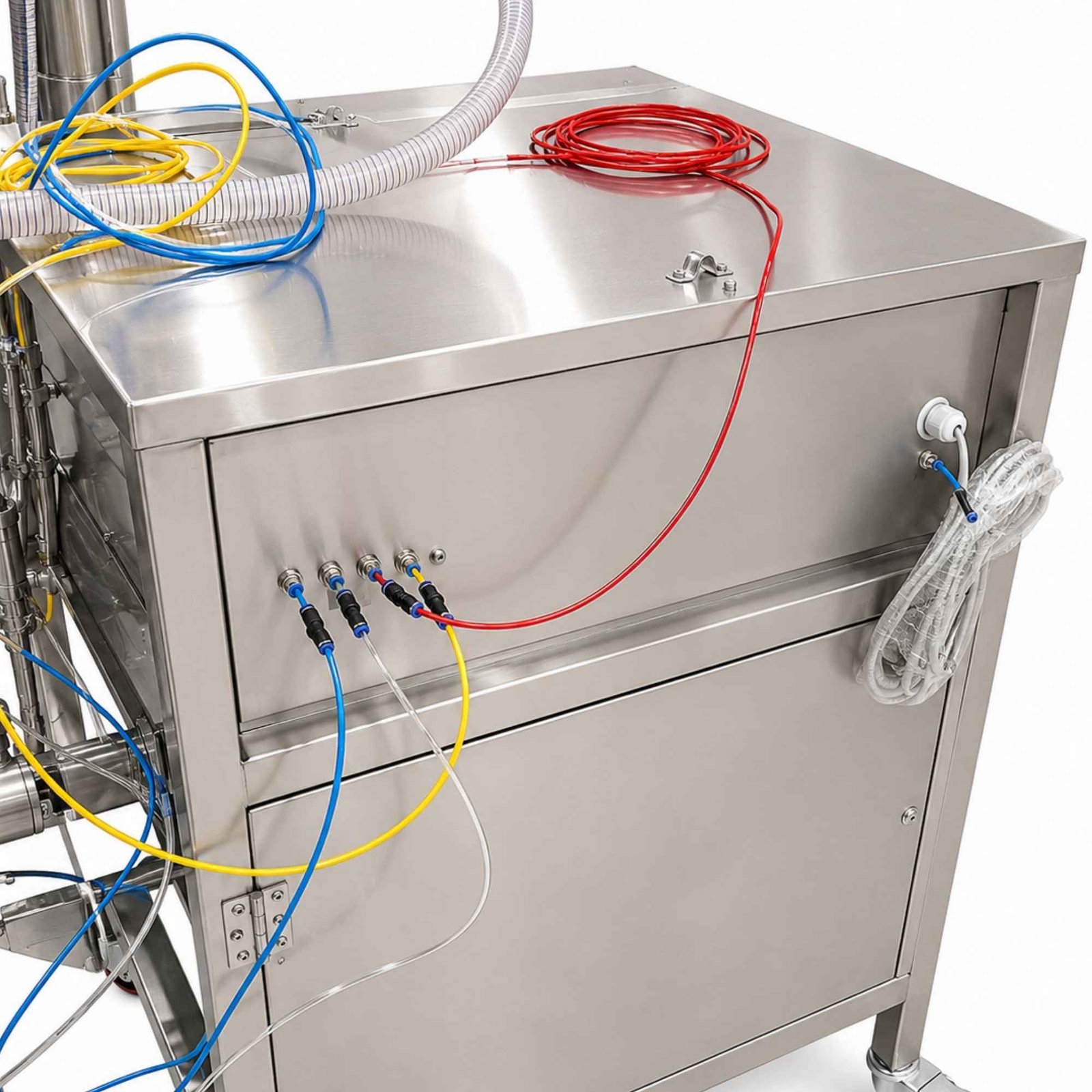
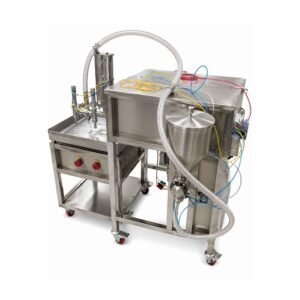
A 4 Nozzle Jalebi Making Machine generally incorporates a batter handling section, multiple dispensing outlets, supporting structure, and operating controls. Its design is centered around making repeated batter depositing easier to manage.
For commercial food businesses, hygiene and cleaning are important parts of machine operation. Batter-contact areas should be cleaned according to the manufacturer’s recommended procedure after production. Proper maintenance can also help keep the equipment ready for repeated use.
The machine should be positioned so that the depositing outlets work conveniently with the frying arrangement and the operator can safely supervise the process.
Applications in Commercial Sweet Production
The machine can be used in a variety of food businesses that prepare jalebi regularly. Common applications include:
- Traditional sweet shops
- Halwai and confectionery businesses
- Commercial jalebi production units
- Bakeries offering Indian sweets
- Restaurants and dessert outlets
- Catering and event-food businesses
- Wholesale sweet manufacturers
- Food-processing facilities
The four-nozzle arrangement can be useful for businesses looking for a multi-outlet batter-depositing solution as part of their commercial production workflow.
Advantages of a Four-Nozzle Arrangement
Using multiple dispensing outlets can help businesses organize the batter-depositing stage more efficiently. The machine reduces the need for completely manual batter shaping and allows operators to manage multiple depositing points.
Practical advantages can include:
- Four batter-dispensing nozzles
- Reduced repetitive batter-depositing work
- Organized commercial production workflow
- Support for consistent jalebi formation
- Better use of operator time
- Suitable for regular batch production
- Integration with conventional frying processes
Actual production performance will depend on the machine configuration, operating method, batter preparation, frying arrangement, and operator handling.
What to Check Before Purchasing
Businesses should evaluate their production workflow before choosing a 4 Nozzle Jalebi Making Machine. Important factors include the batter feeding system, nozzle arrangement, ease of operation, cleaning requirements, machine construction, available working space, and operator access.
It is also important to consider how the four outlets will be positioned in relation to the frying area. The machine should complement the complete workflow rather than create unnecessary handling between batter depositing and frying.
Buyers should also understand the manufacturer’s operating and maintenance instructions before putting the equipment into regular production.
A Multi-Nozzle Solution for Commercial Jalebi Making
A 4 Nozzle Jalebi Making Machine offers a practical machine-assisted approach for businesses that need a multi-outlet batter-depositing system. Its four dispensing nozzles can help organize the shaping stage and reduce repetitive manual work during regular jalebi production.
For commercial sweet manufacturers, the machine can become part of a complete workflow covering batter preparation, controlled depositing, frying, sugar syrup dipping, draining, and packaging. Selecting the equipment according to actual production requirements and the available working setup can help businesses develop a more efficient and manageable jalebi production process.
FAQs
It is a machine designed to assist commercial jalebi production by dispensing prepared batter through four nozzles for controlled formation during frying.
The four-nozzle arrangement provides multiple batter-dispensing outlets, allowing the operator to manage several depositing points within the production process.
The machine assists with batter depositing, but the operator may still supervise depositing, frying, syrup dipping, and subsequent handling.
It can be used in sweet shops, halwai businesses, bakeries, restaurants, catering operations, and commercial sweet-production facilities.
Consider the nozzle arrangement, batter feeding system, operating method, cleaning requirements, available space, machine construction, and compatibility with the frying setup.



There are no reviews yet.